





Arthritis is more than just joint pain. It can affect mobility, independence, sleep, and overall quality of life. Whether it starts as mild stiffness in the morning or progresses into persistent discomfort, early attention and the right treatment plan can make a remarkable difference.
This detailed guide explains arthritis in simple, practical terms—covering causes, symptoms, diagnosis, treatment options, recovery, and when to consult a specialist like Dr Ashish Bajaj, Consultant Orthopedic and Joint Replacement & Arthroscopy at Kailash Hospital, Dhanbad.
1. Introduction to Arthritis
Arthritis refers to inflammation of one or more joints, leading to pain, swelling, stiffness, and reduced movement. It can affect people of all ages, though it is more common in older adults.
Joints connect bones and allow smooth movement. When cartilage (the cushioning tissue) wears down or inflammation develops, the joint becomes painful and stiff. Without proper treatment, arthritis may gradually limit daily activities.
2. Types of Arthritis
There are over 100 types of arthritis, but the most common include:
Osteoarthritis (OA)
- Caused by wear and tear of joint cartilage
- Common in knees, hips, spine, and hands
- Usually age-related
Rheumatoid Arthritis (RA)
- Autoimmune disease
- Body’s immune system attacks joint lining
- Can affect multiple joints symmetrically
Gout
- Caused by uric acid crystal buildup
- Sudden severe pain, often in the big toe
Ankylosing Spondylitis
- Primarily affects the spine
- Causes stiffness and reduced flexibility
Each type requires a different treatment approach.
3. Common Symptoms of Arthritis
Symptoms may develop gradually or suddenly:
- Joint pain and tenderness
- Swelling around joints
- Morning stiffness lasting more than 30 minutes
- Reduced range of motion
- Warmth or redness around joints
- Difficulty walking or gripping objects
Ignoring early signs may lead to joint damage over time.
4. Causes and Risk Factors
Several factors increase arthritis risk:
- Aging
- Obesity
- Family history
- Previous joint injuries
- Repetitive strain
- Autoimmune disorders
- Sedentary lifestyle
Maintaining a healthy weight and staying active can reduce risk.
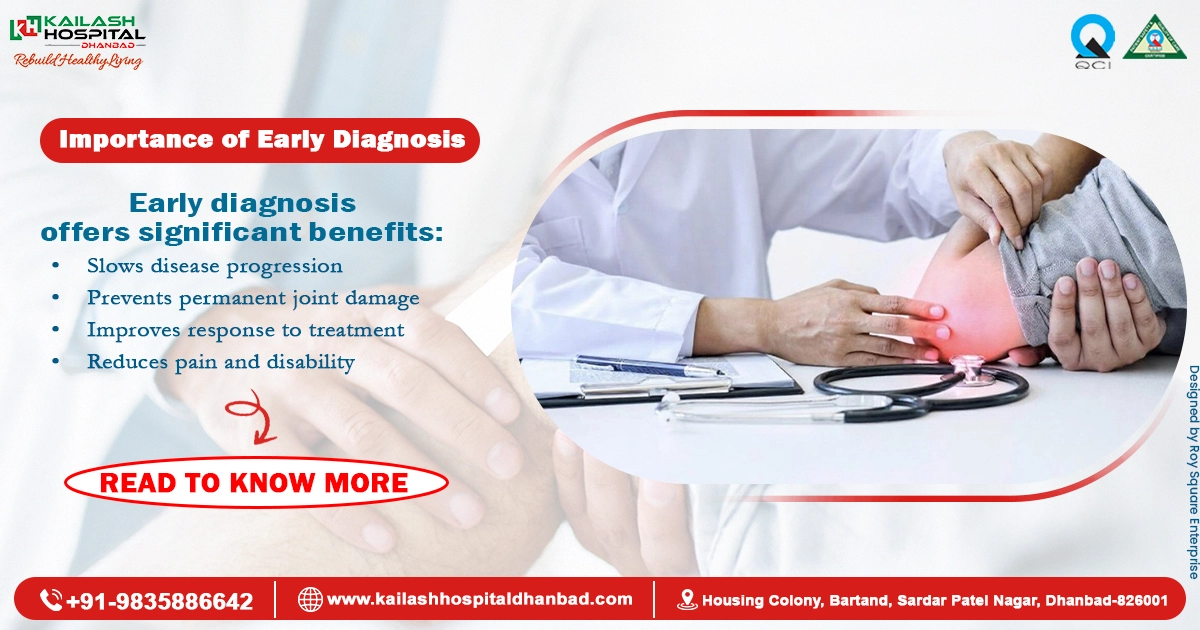
5. Importance of Early Diagnosis
Early diagnosis offers significant benefits:
- Slows disease progression
- Prevents permanent joint damage
- Improves response to treatment
- Reduces pain and disability
- Preserves joint function
Consulting a qualified orthopedic specialist early can prevent complications.
6. Diagnostic Methods
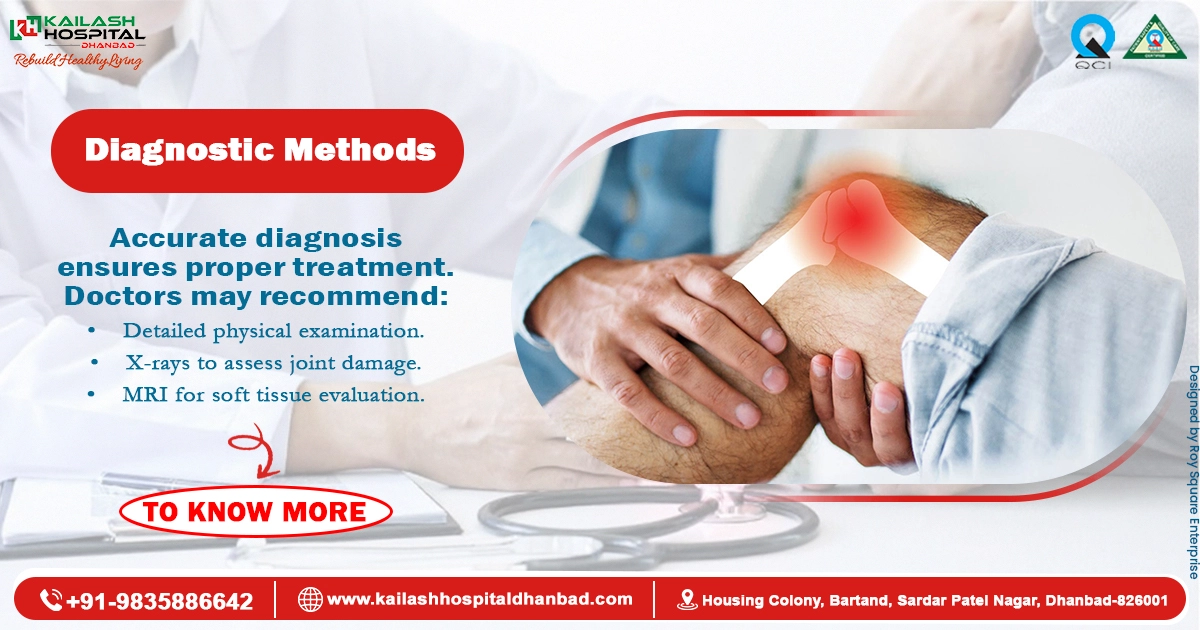
Accurate diagnosis ensures proper treatment. Doctors may recommend:
- Detailed physical examination
- X-rays to assess joint damage
- MRI for soft tissue evaluation
- Blood tests (for rheumatoid arthritis)
- Joint fluid analysis
Specialists like Dr. Ashish Bajaj carefully assess symptoms and imaging reports to design personalized treatment plans.
7. Non-Surgical Arthritis Treatment Options
Most arthritis cases are managed without surgery, especially in early stages.
Medications
- Pain relievers
- Anti-inflammatory drugs
- Disease-modifying drugs (for RA)
- Corticosteroid injections
Physiotherapy
- Strengthening exercises
- Flexibility training
- Joint mobility exercises
Lifestyle Changes
- Weight management
- Low-impact exercise (walking, swimming, cycling)
- Posture correction
Non-surgical care focuses on reducing pain and improving mobility.
8. Advanced & Surgical Treatment Options
If conservative treatments fail, surgery may be recommended.
Arthroscopy
- Minimally invasive procedure
- Repairs damaged cartilage or ligaments
Joint Replacement Surgery
- Knee replacement
- Hip replacement
- Shoulder replacement
Joint replacement offers long-term relief and restores movement.
Under the expert care of Dr. Ashish Bajaj at Kailash Hospital, Dhanbad, patients receive advanced, evidence-based orthopedic treatment tailored to their condition.
9. Role of Diet in Arthritis Management
Diet plays a supportive role in managing inflammation.
Recommended Foods:
- Omega-3 rich foods (fish, flaxseed)
- Leafy green vegetables
- Fresh fruits
- Whole grains
- Nuts and seeds
Avoid:
- Processed foods
- Excess sugar
- Fried items
- Excess red meat
Balanced nutrition helps control inflammation and supports joint health.
10. Recovery and Rehabilitation
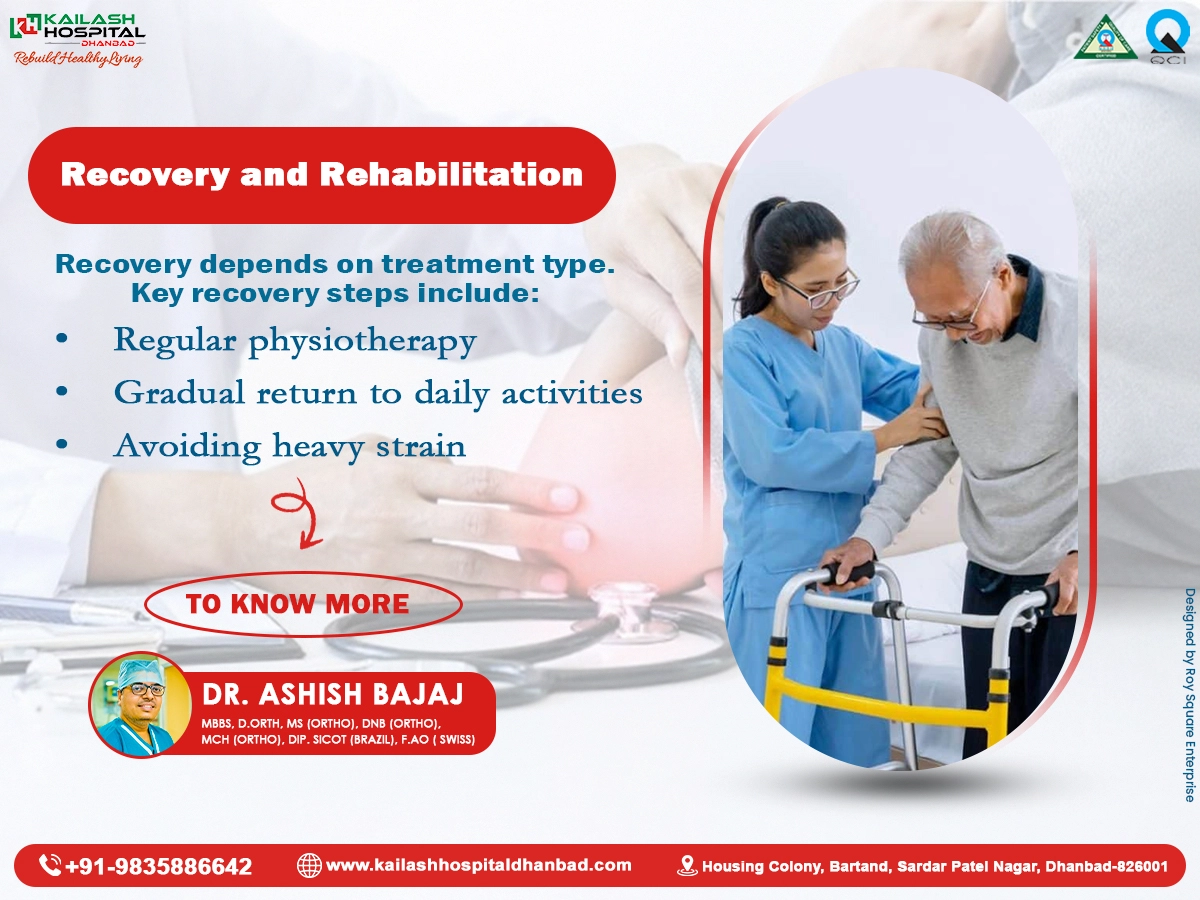
Recovery depends on treatment type.
Key recovery steps include:
- Regular physiotherapy
- Gradual return to daily activities
- Avoiding heavy strain
- Maintaining healthy weight
- Regular follow-up visits
Proper rehabilitation ensures better long-term outcomes.
11. When to See an Orthopedic Specialist
Consult an orthopedic expert if:
- Joint pain lasts more than 2–3 weeks
- Swelling persists
- Movement becomes difficult
- Pain affects daily routine
- Sudden severe joint pain occurs
Early consultation with Dr. Ashish Bajaj can prevent worsening of joint damage and improve quality of life.
12. Why Choose Kailash Hospital
- Advanced orthopedic care
- Modern diagnostic facilities
- Minimally invasive procedures
- Experienced specialists like Dr. Ashish Bajaj
- Personalized rehabilitation programs
- Compassionate patient-centered care
13. Conclusion
Arthritis may begin with mild discomfort but can gradually impact daily life if left untreated. Early diagnosis, proper treatment, lifestyle changes, and expert medical care can significantly reduce pain and restore mobility.
With professional guidance from Dr. Ashish Bajaj and comprehensive orthopedic services at Kailash Hospital, Dhanbad, patients can regain confidence, comfort, and independence.
If you are experiencing persistent joint pain, don’t delay seeking expert advice. The right treatment at the right time can protect your joints and improve your quality of life for years to come.
1. Can arthritis be cured permanently?
Most types cannot be cured, but symptoms can be effectively managed.
2. Is exercise safe for arthritis?
Yes, low-impact exercise strengthens muscles and supports joints.
3. When is surgery necessary?
When pain is severe and non-surgical treatment fails.
4. Is arthritis only seen in older people?
No, it can affect younger individuals as well.
5. Does weight affect arthritis?
Yes, excess weight increases joint stress.
6. Can diet reduce arthritis pain?
Yes, anti-inflammatory foods may help.
7. Are steroid injections safe?
They are safe when used under medical supervision.
8. How long does joint replacement last?
Modern implants can last 15–20 years or more.
9. Is physiotherapy mandatory?
It is highly recommended for better outcomes.
10. When should I see a specialist?
If pain interferes with daily activities or persists for weeks.