




Introduction
Our bones support our body, protect vital organs and help us perform everyday activities with ease. However, as we grow older, our bones may gradually lose density and strength. After the age of 40, maintaining bone health becomes increasingly important because age-related changes, hormonal fluctuations and lifestyle habits can contribute to bone loss.
The good news is that healthy lifestyle choices can help preserve bone strength and reduce the risk of fractures. Eating nutritious foods, exercising regularly and seeking appropriate medical advice are essential steps towards healthier bones.
If you are looking for effective ways to maintain bone density after 40, this guide explains ten practical tips to help you protect your bone health and maintain an active lifestyle.
1. Why Is Bone Density Important After 40?
Bone density refers to the amount of minerals, particularly calcium, present in your bones. Strong bones provide structural support, protect organs and help maintain mobility.
As people age, the natural process of bone breakdown can gradually exceed new bone formation. Women may experience faster bone loss during and after menopause because of declining oestrogen levels. Men can also experience age-related bone loss.
Low bone density may increase the risk of osteoporosis, a condition that makes bones more fragile and vulnerable to fractures.
Why bone density matters:
- It helps maintain strong bones and a stable skeletal structure.
- It supports mobility and everyday physical activities.
- It reduces the risk of fractures when bone health is maintained.
- It helps preserve independence and quality of life as you age.
Taking care of your bones after 40 can make a meaningful difference to your long-term health.
2. Eat Calcium-Rich Foods Every Day
Calcium is one of the most important minerals for maintaining healthy bones. When your diet does not provide enough calcium, your body may draw on calcium stored in your bones.
Include a variety of calcium-rich foods in your daily meals.
Good sources of calcium include:
- Milk, curd and paneer
- Ragi and sesame seeds
- Calcium-fortified foods
- Calcium-set tofu
- Selected leafy green vegetables
- Fish eaten with edible bones, such as sardines
Try to include calcium-rich foods in different meals rather than relying on a single food source. Adults aged 19–50 generally need around 1,000 mg of calcium daily, although requirements vary with age and individual circumstances.
Calcium supplements should not automatically replace a balanced diet. Consult a healthcare professional if you have difficulty meeting your calcium requirements through food.

3. Get Enough Vitamin D for Strong Bones
Vitamin D helps your body absorb calcium from food. Without adequate vitamin D, maintaining healthy bones becomes more difficult.
Spending some time outdoors, eating vitamin D-containing foods and addressing deficiencies can support bone health.
Ways to support healthy vitamin D levels:
- Include eggs, oily fish and fortified foods where suitable.
- Discuss safe sunlight exposure based on your skin type and local conditions.
- Ask your doctor whether vitamin D testing is appropriate.
- Take supplements only when recommended, particularly if a deficiency is suspected.
Vitamin D requirements differ depending on age, health and other factors. Avoid taking high doses without medical advice, as excessive supplementation can be harmful.
4. Do Weight-Bearing Exercises Regularly
Regular physical activity helps maintain bone strength, muscle function and mobility. Weight-bearing exercises encourage your bones to work against gravity, which can support bone health.
You do not necessarily need an expensive gym membership to get started.
Examples of weight-bearing activities include:
- Brisk walking
- Stair climbing
- Dancing
- Hiking, where appropriate
- Low-impact aerobics
Begin at a comfortable level and increase the duration gradually. Consistency is more important than pushing yourself too hard.
If you already have osteoporosis, a previous fracture or balance difficulties, ask a healthcare professional which exercises are safe for you.
5. Include Strength Training in Your Routine
Strength training helps build and preserve muscles that support your bones and joints. Stronger muscles can also improve balance and make everyday activities easier.
Suitable exercises may include resistance-band movements, light weights, chair squats and other controlled resistance exercises.
Benefits of strength training include:
- Better muscle strength and physical function
- Improved stability and balance
- Support for healthy ageing
- Assistance with maintaining bone health
Start with appropriate resistance, use correct technique and allow enough time for recovery. If you have existing joint problems or osteoporosis, your exercise programme should be adapted to your condition.
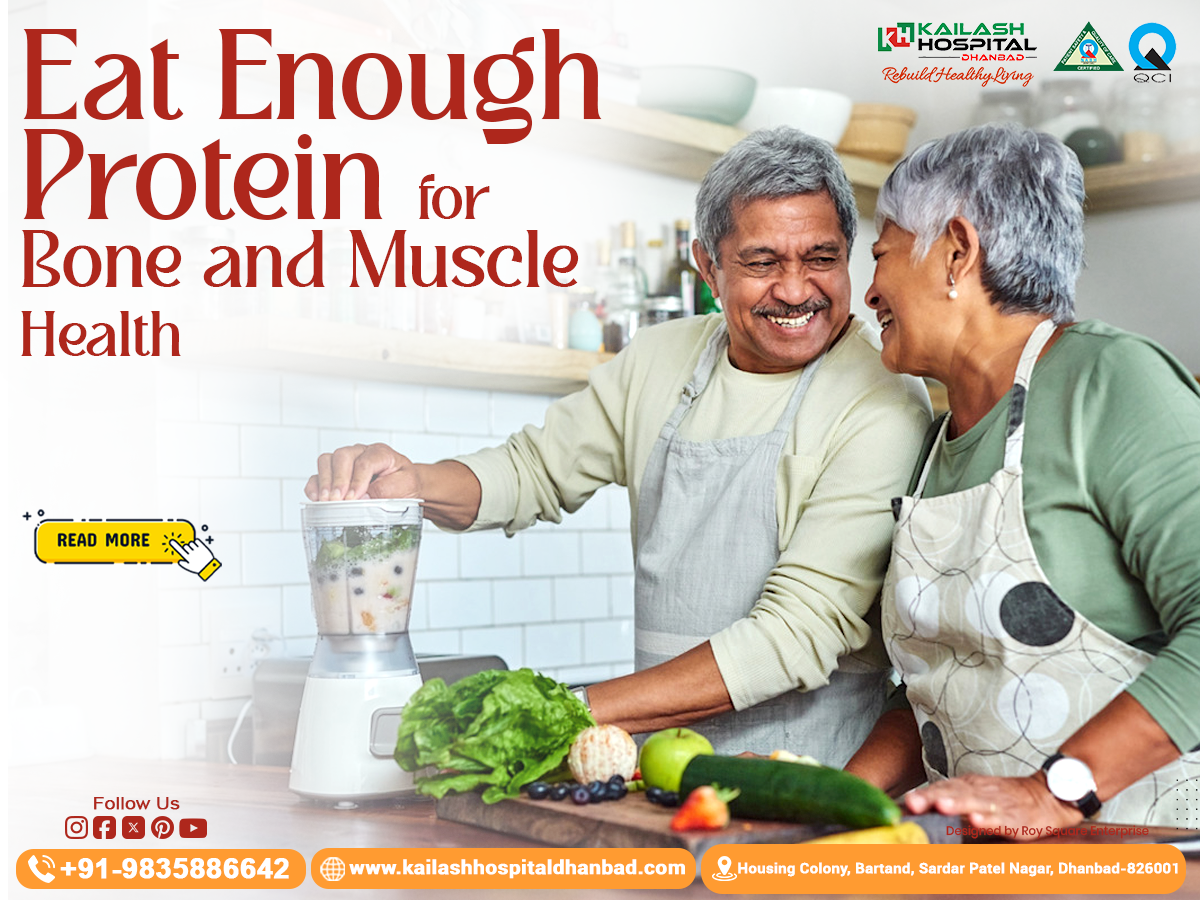
6. Eat Enough Protein for Bone and Muscle Health
Protein is essential for maintaining muscles and contributes to the structure of bone. Inadequate protein intake can contribute to muscle weakness, particularly as people grow older.
Include a variety of protein sources in your diet, such as:
- Lentils, beans and chickpeas
- Milk, curd and paneer
- Eggs
- Fish and lean meat
- Soybeans and tofu
- Nuts and seeds
Combine protein-rich foods with vegetables, whole grains, fruits and healthy fats for balanced nutrition.
People with kidney disease or other conditions affecting protein requirements should consult their healthcare professional before making major dietary changes.
7. Maintain a Healthy Weight and Better Balance
Maintaining a healthy body weight supports overall mobility and physical function. Being underweight may increase the risk of low bone density and fractures, while excess weight can place additional stress on joints.
Balance is equally important because falls can lead to serious injuries, especially when bones are fragile.
Helpful habits include:
- Eat balanced meals and avoid crash diets.
- Perform suitable balance exercises.
- Wear comfortable, supportive footwear.
- Keep floors and walkways free of obstacles.
- Ensure your home has adequate lighting.
- Have your vision checked when appropriate.
Healthy habits can help you remain active and reduce preventable fall risks.
8. Know When to Get a Bone Density Test
Low bone density often develops without noticeable symptoms. You may not realise there is a problem until a fracture occurs.
A bone density test, commonly called a DXA or DEXA scan, measures bone mineral density and helps healthcare professionals assess osteoporosis risk.
Your doctor may recommend an assessment if you have certain risk factors, including:
- Early menopause or significant hormonal changes
- A previous fracture following a minor fall
- A family history of osteoporosis or hip fracture
- Long-term use of certain medicines, such as corticosteroids
- Low body weight or medical conditions affecting bone health
Not everyone needs a bone density scan immediately after turning 40. Screening decisions depend on age, sex, medical history and overall fracture risk.
Early assessment can help identify problems and guide appropriate prevention or treatment.
9. Avoid Habits That Weaken Your Bones
Some everyday habits can negatively affect bone health over time. Making small changes can help protect your bones and overall wellbeing.
Habits to avoid or limit include:
- Smoking: Smoking is associated with poorer bone health and a higher risk of fractures.
- Excessive alcohol consumption: Heavy alcohol use can negatively affect bones and increase the risk of falls.
- Physical inactivity: Spending most of the day sitting limits opportunities to strengthen muscles and support bone health.
- Poor nutrition: Regularly missing essential nutrients can make it harder to maintain healthy bones.
- Unnecessary supplements: Excessive calcium or vitamin D intake can cause health problems.
Focus on sustainable lifestyle changes rather than quick fixes. If you take long-term medication, discuss its potential effects on bone health with your doctor instead of stopping it yourself.
10. Schedule Regular Bone Health Checkups
Regular medical checkups can help identify risk factors before they lead to serious complications. They are particularly useful if you have a family history of osteoporosis, hormonal changes, persistent mobility difficulties or a previous fracture.
During a consultation, your doctor may review your medical history, diet, exercise habits and medications. Depending on your individual needs, they may recommend a bone density scan, blood tests, lifestyle changes or treatment.
Dr. Ashish Bajaj, Consultant Orthopedic and Joint Replacement, Arthroscopy at Kailash Hospital, Dhanbad, can be consulted for orthopaedic concerns, including questions about bone health, joint function and appropriate evaluation.
Seek prompt medical attention if you experience sudden severe bone pain or suspect a fracture after an injury. Persistent back pain, loss of height or a fracture following a minor fall should also be medically evaluated.
Why Choose Kailash Hospital, Dhanbad?
Maintaining healthy bones requires the right combination of preventive care, medical guidance and a suitable lifestyle plan.
Kailash Hospital, Dhanbad, provides an option for people seeking orthopaedic consultation and guidance for bone and joint concerns.
Here are some reasons to consider a consultation:
- Orthopaedic guidance: Discuss bone health concerns, joint discomfort and mobility-related problems.
- Individualised assessment: Receive advice based on your symptoms, medical history and risk factors.
- Bone health guidance: Discuss whether investigations, lifestyle changes or further treatment may be appropriate.
- Joint and mobility support: Seek professional advice for orthopaedic conditions affecting everyday activities.
- Preventive care: Understand practical steps to support bone health as you grow older.
Dr. Ashish Bajaj, Consultant Orthopedic and Joint Replacement, Arthroscopy at Kailash Hospital, Dhanbad, is a relevant point of contact for individuals seeking consultation for orthopaedic and joint-related concerns.
For information about appointments and available services, contact Kailash Hospital, Dhanbad, directly.
Conclusion
Maintaining bone density after 40 is an important step towards staying active, independent and healthy as you age. Although some age-related bone loss is natural, the right habits can help preserve bone strength and reduce the risk of fractures.
Eat calcium-rich foods, maintain adequate vitamin D levels, exercise regularly, include protein in your diet and avoid habits that negatively affect bone health. Remember that bone density problems may develop without obvious symptoms, so appropriate screening and medical advice are important when risk factors are present.
If you have concerns about bone weakness, osteoporosis or joint health, consider seeking professional guidance. With consistent care and informed lifestyle choices, you can take positive steps towards stronger bones and a healthier future.
Bone density may improve in some circumstances with appropriate exercise, nutrition and medical treatment when needed.
How can I maintain bone density after 40?
Eat a balanced diet, obtain adequate calcium and vitamin D, exercise regularly and address individual osteoporosis risk factors.
Can bone density improve after 40?
Bone density may improve in some circumstances with appropriate exercise, nutrition and medical treatment when needed.
Which foods are best for bone health after 40?
Milk, curd, paneer, ragi, calcium-set tofu, leafy vegetables and selected fish can contribute to healthy bones.
Does walking help maintain bone density?
Weight-bearing walking can support bone health, especially when combined with appropriate strength training.
How much calcium do adults need after 40?
Many adults aged 19–50 need approximately 1,000 mg daily. Requirements may increase with age and vary according to individual circumstances.
Does menopause affect bone density?
Yes. Declining oestrogen levels during and after menopause can accelerate bone loss.
What are the early signs of low bone density?
Low bone density usually has no obvious symptoms. A fracture after a minor injury may be the first sign of a problem.
When should I get a bone density test?
Your doctor may recommend testing based on your age, medical history, fracture risk and other osteoporosis risk factors.
Can vitamin D deficiency weaken bones?
Yes. Vitamin D deficiency can interfere with calcium absorption and bone mineralisation.
Which doctor should I consult for bone health concerns in Dhanbad?
You can consult an orthopaedic specialist, such as Dr. Ashish Bajaj at Kailash Hospital, Dhanbad, for appropriate evaluation and guidance.