





Intramural fibroids are among the most common types of uterine fibroids. Although many women do not experience symptoms, these growths can sometimes cause heavy periods, pelvic pain, and fertility-related concerns. Understanding their causes, symptoms, diagnosis, and treatment options can help women make informed decisions about their reproductive health.
With proper medical guidance from an experienced specialist such as Dr. Neha Bajaj, Consultant Gynaecologist, Obstetrician and Fertility Specialist, women can explore suitable treatment options based on their symptoms, fibroid size, and pregnancy plans.
1. What Are Intramural Fibroids?
Intramural fibroids are non-cancerous growths that develop within the muscular wall of the uterus. They may be small or grow large enough to change the shape or size of the uterus.
These fibroids can occur in women of reproductive age and may develop as a single growth or multiple growths. Some remain small and cause no problems, while others may lead to heavy menstrual bleeding, pelvic pressure, or discomfort.
Key facts about intramural fibroids:
- They develop inside the muscular wall of the uterus.
- They are usually benign, meaning they are not cancerous.
- Their size and location influence the symptoms they cause.
- Treatment depends on symptoms, growth, and reproductive goals.
2. What Causes Intramural Fibroids?
The exact cause of intramural fibroids is not fully understood. However, several biological factors may contribute to their development.
Common contributing factors include:
- Hormones: Oestrogen and progesterone may encourage fibroid growth.
- Genetic factors: Certain genetic changes in uterine muscle cells may contribute to fibroid formation.
- Cell growth: Abnormal growth of smooth muscle cells in the uterus can lead to fibroids.
- Growth factors: Natural substances that regulate tissue growth may influence their development.
Intramural fibroids may grow slowly over time, remain stable, or change in size depending on individual circumstances.
3. What Factors Increase the Risk of Intramural Fibroids?
Although fibroids can develop in many women, some factors are associated with a higher risk.
These include:
- Age: Fibroids are more common during the reproductive years.
- Family history: Having close relatives with fibroids may increase the risk.
- Hormonal influences: Reproductive hormones play an important role in fibroid growth.
- Body weight: Obesity is associated with an increased risk of developing uterine fibroids.
- Reproductive history: The relationship between pregnancy history and fibroid risk is complex, and individual risks vary.
Having one or more risk factors does not necessarily mean a woman will develop fibroids. Regular gynaecological check-ups can help identify uterine health concerns.
4. What Are the Common Symptoms of Intramural Fibroids?
Many women with intramural fibroids experience no symptoms. However, larger fibroids or those in certain locations can cause discomfort and menstrual changes.
Common symptoms include:
- Heavy menstrual bleeding: Periods may become heavier or last longer than usual.
- Pelvic pain or pressure: Women may experience persistent discomfort in the lower abdomen.
- Frequent urination: A large fibroid may press against the bladder.
- Lower back pain: Pressure from fibroids can contribute to back discomfort.
- Abdominal enlargement: Larger fibroids may cause the abdomen to appear swollen.
- Anaemia: Heavy bleeding can lead to iron deficiency, causing tiredness, weakness, or dizziness.
- Reproductive difficulties: Some fibroids may affect fertility or pregnancy, depending on their size and location.
Persistent or worsening symptoms should be evaluated by a gynaecologist.
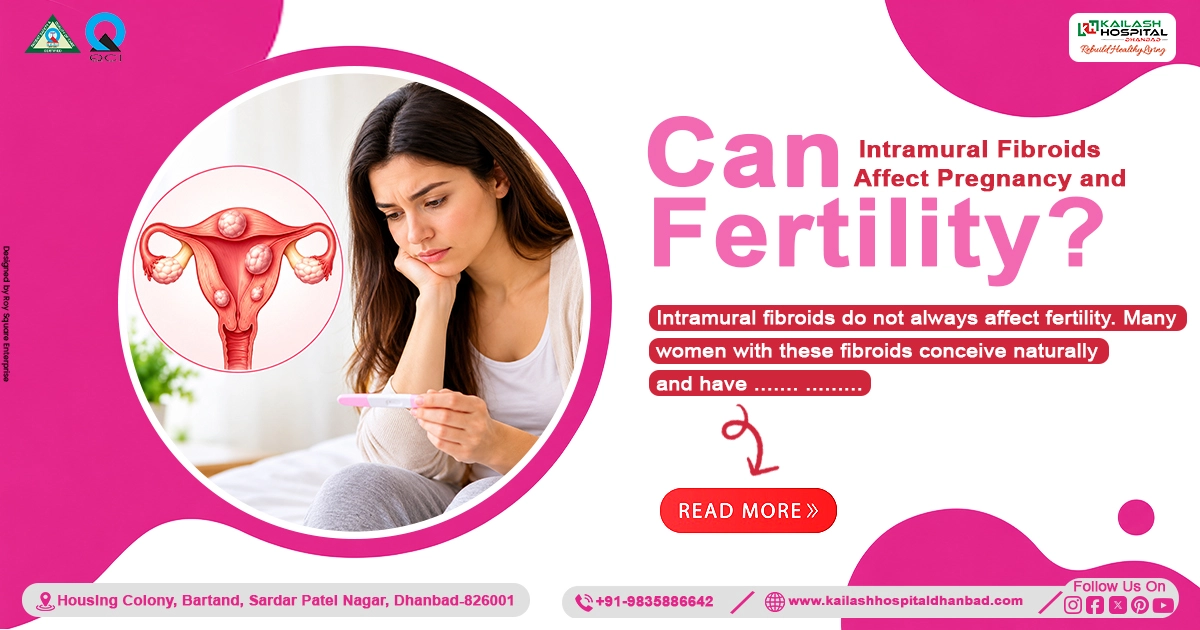
5. Can Intramural Fibroids Affect Pregnancy and Fertility?
Intramural fibroids do not always affect fertility. Many women with these fibroids conceive naturally and have healthy pregnancies.
However, certain fibroids may interfere with fertility, particularly when they are large or distort the uterine cavity.
Possible effects include:
- Difficulty with implantation in some cases.
- Reduced fertility associated with particular fibroid sizes or locations.
- Increased risk of certain pregnancy complications.
- Pelvic discomfort or pressure during pregnancy.
- A possible increased risk of miscarriage in selected cases.
The impact depends on whether the fibroid changes the uterine cavity, its size, and other individual fertility factors. Not every fibroid requires removal before pregnancy.
Women planning to conceive should discuss their options with a fertility specialist. Dr. Neha Bajaj, Consultant Gynaecologist, Obstetrician and Fertility Specialist, can help women understand the importance of assessment and personalised treatment planning.
6. How Are Intramural Fibroids Diagnosed?
A gynaecologist may recommend several tests to confirm the presence, size, and location of fibroids.
Common diagnostic methods include:
- Medical history: The doctor asks about menstrual cycles, pain, bleeding, and fertility concerns.
- Pelvic examination: This may help identify an enlarged or irregularly shaped uterus.
- Ultrasound: Pelvic or transvaginal ultrasound is commonly used to detect and measure fibroids.
- MRI scan: In selected cases, MRI provides more detailed information about fibroid location and size.
- Blood tests: A complete blood count may be recommended to check for anaemia caused by heavy bleeding.
At Kailash Hospital, Dhanbad, women can seek gynaecological guidance to understand their symptoms and discuss appropriate evaluation and treatment options.
7. What Are the Best Treatment Options for Intramural Fibroids?
The best treatment depends on the fibroid’s size, symptoms, location, age, and whether the woman wishes to become pregnant.
A. Monitoring and Regular Follow-Up
Small fibroids that do not cause symptoms may not need immediate treatment. A doctor may recommend periodic examinations or imaging to monitor changes.
B. Medications
Certain medicines can help manage symptoms, including heavy menstrual bleeding and pain. Hormonal treatments may be appropriate for some women, while other medicines can reduce bleeding or discomfort.
Medication may control symptoms without permanently removing the fibroid.
C. Hormonal Treatments
Some hormonal therapies can reduce menstrual bleeding and, in certain circumstances, temporarily reduce fibroid size. Their suitability depends on the patient’s health and pregnancy plans.
D. Uterine Artery Embolisation
This minimally invasive procedure reduces the blood supply to fibroids, helping them shrink. It may be suitable for selected patients, but its effects on future pregnancy need careful discussion.
E. Myomectomy
Myomectomy is a surgical procedure that removes fibroids while preserving the uterus. It may be considered for women with significant symptoms or selected fertility concerns.
F. Hysterectomy
Hysterectomy involves removing the uterus and permanently prevents future pregnancy. It may be considered for severe symptoms when other treatments are unsuitable and the woman does not wish to become pregnant.
A specialist can help determine which option offers the most appropriate balance of symptom relief, safety, and future fertility goals.
8. When Do Intramural Fibroids Need Surgery?
Surgery is not necessary for every intramural fibroid. However, it may be recommended when symptoms significantly affect daily life or when the fibroid causes specific medical concerns.
A doctor may consider surgery if:
- Heavy menstrual bleeding leads to persistent anaemia.
- Pelvic pain or pressure becomes severe.
- The fibroid grows significantly or causes substantial discomfort.
- The fibroid distorts the uterine cavity and may affect fertility.
- Other treatments fail to provide adequate relief.
The decision should be individualised. Women who want to become pregnant should discuss the benefits, risks, recovery period, and possible impact on future pregnancy before choosing surgery.
9. How Can You Manage Intramural Fibroid Symptoms?
Lifestyle changes cannot reliably eliminate fibroids, but certain habits may help support general health and manage some symptoms.
- Eat a balanced diet: Include vegetables, fruits, whole grains, and iron-rich foods.
- Check iron levels: Women with heavy periods may need blood tests and iron treatment if recommended by their doctor.
- Stay physically active: Regular exercise supports overall health and weight management.
- Track menstrual cycles: Record bleeding duration, flow, pain, and other changes.
- Attend follow-up appointments: Monitoring helps identify changes that may require treatment.
- Avoid unproven remedies: Herbal products and supplements should not replace medical evaluation or prescribed treatment.
Seek medical advice if symptoms continue despite these measures.
10. When to See a Doctor
Consult a gynaecologist if you experience unusually heavy periods, persistent pelvic pain, increasing abdominal pressure, or difficulty becoming pregnant.
Seek urgent medical care for very heavy bleeding accompanied by dizziness or fainting, sudden severe pelvic pain, or severe weakness.
Early evaluation can help identify the cause of symptoms and determine whether monitoring, medication, or another treatment is appropriate.
Women seeking personalised reproductive health guidance can consult Dr. Neha Bajaj, Consultant Gynaecologist, Obstetrician and Fertility Specialist, to discuss their concerns and available options.
Conclusion
Intramural fibroids are common and often manageable with proper medical care. Although many women have no symptoms, others may experience heavy periods, pelvic discomfort, or fertility-related concerns. Understanding the available treatment options helps women make informed decisions about their health.
The right approach depends on fibroid size, symptoms, and pregnancy plans. For professional guidance, women can consult Dr. Neha Bajaj, Consultant Gynaecologist, Obstetrician and Fertility Specialist, and discuss suitable care options at Kailash Hospital, Dhanbad.
1. Are intramural fibroids dangerous?
Most intramural fibroids are benign, but some can cause heavy bleeding, pain, or fertility concerns.
2. Can intramural fibroids disappear naturally?
They do not usually disappear completely without treatment, although they may shrink after menopause.
3. Can I get pregnant with intramural fibroids?
Yes. Many women conceive naturally, but some fibroids may affect fertility depending on their size and location.
4. What is the main cause of intramural fibroids?
Their exact cause is unknown, but hormones, genetic changes, and abnormal muscle-cell growth are thought to contribute.
5. Do all intramural fibroids require surgery?
No. Fibroids without significant symptoms may only require monitoring.
6. Can intramural fibroids cause heavy periods?
Yes. They can cause heavy or prolonged menstrual bleeding in some women.
7. How are intramural fibroids detected?
Pelvic ultrasound is commonly used, while MRI may be recommended in selected cases.
8. Can medication shrink intramural fibroids?
Some treatments may temporarily reduce fibroid size or control symptoms, but results vary.
9. Can intramural fibroids turn cancerous?
Typical uterine fibroids are benign. A rare uterine cancer called leiomyosarcoma is a different condition, not generally considered a transformation of an ordinary fibroid.
10. Which doctor should I consult for intramural fibroids?
A qualified gynaecologist or fertility specialist can assess symptoms and recommend appropriate treatment.