




1. What Causes Bloating During Pregnancy?
Bloating occurs when excess gas builds up in the digestive tract or when digestion slows down. During pregnancy, several natural changes contribute to this condition.
Hormonal Changes
The hormone progesterone relaxes the muscles throughout the body, including those in the digestive tract. As digestion slows, food stays longer in the intestines, allowing more gas to form.
Growing Uterus
As your baby grows, the uterus gradually presses against the stomach and intestines. This pressure can slow digestion further, causing bloating and discomfort.
Dietary Changes
Foods rich in sugar, fried items, carbonated drinks, beans, cabbage, cauliflower, onions, and dairy products may increase gas production.
Reduced Physical Activity
Many pregnant women become less active due to fatigue or discomfort. Lower activity levels can contribute to slower digestion and constipation.
Constipation
Pregnancy-related constipation often accompanies bloating because stool remains in the intestines longer, increasing gas production.
2. What Symptoms Suggest That Bloating Might Be More Serious?
Although mild bloating is usually harmless, certain symptoms may indicate a more serious medical condition that requires immediate evaluation.
Watch for:
- Severe or persistent abdominal pain
- Fever
- Heavy vaginal bleeding
- Persistent vomiting
- Painful contractions before term
- Swelling that worsens suddenly
- Difficulty passing urine
- Blood in stool
- Severe constipation lasting several days
- Reduced fetal movements in later pregnancy
If you notice any of these symptoms, seek medical care immediately at Kailash Hospital, Dhanbad. Early diagnosis helps prevent complications and ensures appropriate treatment.
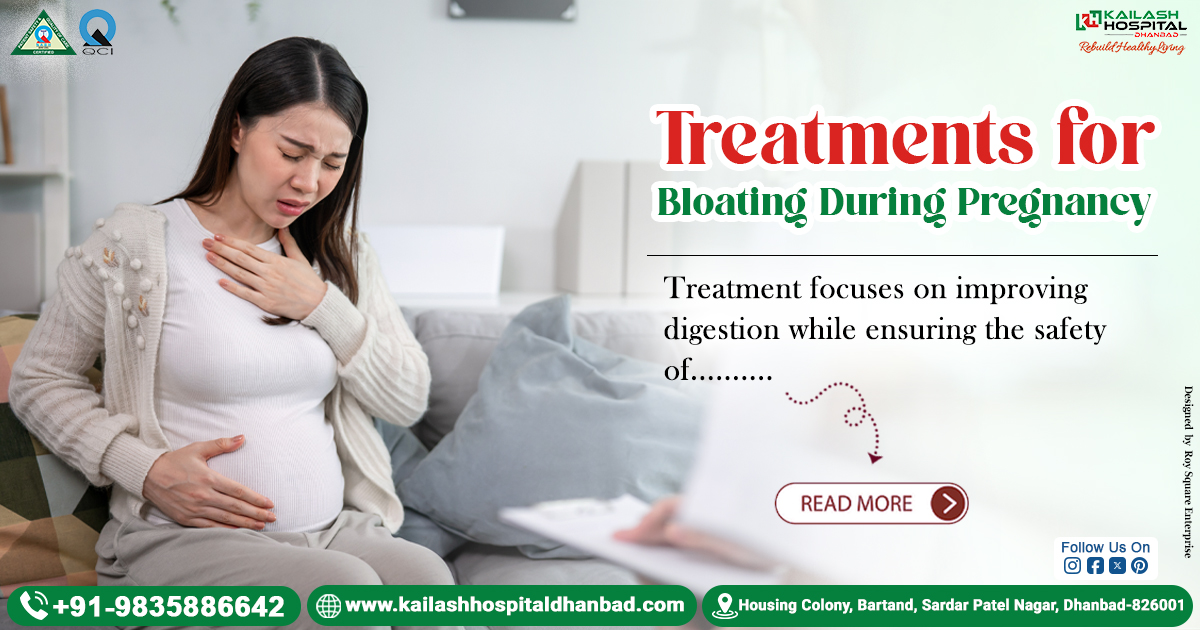
3. Treatments for Bloating During Pregnancy
Treatment focuses on improving digestion while ensuring the safety of both mother and baby.
Eat Smaller Meals
Instead of three large meals, eat five to six smaller meals throughout the day to reduce digestive strain.
Increase Water Intake
Adequate hydration supports digestion and helps prevent constipation.
Include Fiber-Rich Foods
Add fruits, vegetables, oats, whole grains, and legumes gradually to improve bowel movements.
Stay Physically Active
Simple activities like walking, prenatal yoga, or pregnancy-safe stretching can stimulate healthy digestion.
Avoid Gas-Producing Foods
Reduce intake of:
- Carbonated beverages
- Fried foods
- Excess sweets
- Highly processed snacks
- Artificial sweeteners
Eat Slowly
Chewing food thoroughly reduces the amount of air swallowed while eating.
Safe Medications
Never take over-the-counter medicines without consulting your doctor. If symptoms persist, Dr. Neha Bajaj, Consultant Gynaecologist, Obstetrician and Fertility Specialist, can recommend pregnancy-safe treatment options based on your individual condition.
4. Can Untreated Bloating During Pregnancy Lead to Other Issues?
Simple bloating itself rarely causes complications. However, ignoring persistent digestive discomfort may contribute to:
- Chronic constipation
- Hemorrhoids (piles)
- Reduced appetite
- Nutritional deficiencies
- Increased discomfort during pregnancy
- Sleep disturbances
- Stress and anxiety
Persistent bloating accompanied by severe pain may sometimes indicate digestive disorders or pregnancy-related complications that require medical assessment.
5. How to Prevent Bloating During Pregnancy?
Preventive care can significantly reduce digestive discomfort.
Follow a Balanced Diet
Choose fresh fruits, vegetables, lean proteins, and whole grains while limiting processed foods.
Stay Hydrated
Drink 8–10 glasses of water daily unless otherwise advised by your healthcare provider.
Exercise Regularly
Walking for 20–30 minutes most days supports healthy digestion and circulation.
Avoid Overeating
Large meals increase pressure on the digestive system.
Limit Carbonated Drinks
Soft drinks often introduce excess gas into the digestive tract.
Manage Stress
Stress can affect digestion. Practice deep breathing, meditation, or gentle prenatal relaxation exercises.
Maintain Healthy Weight Gain
Following your doctor’s recommended pregnancy weight gain reduces digestive discomfort.
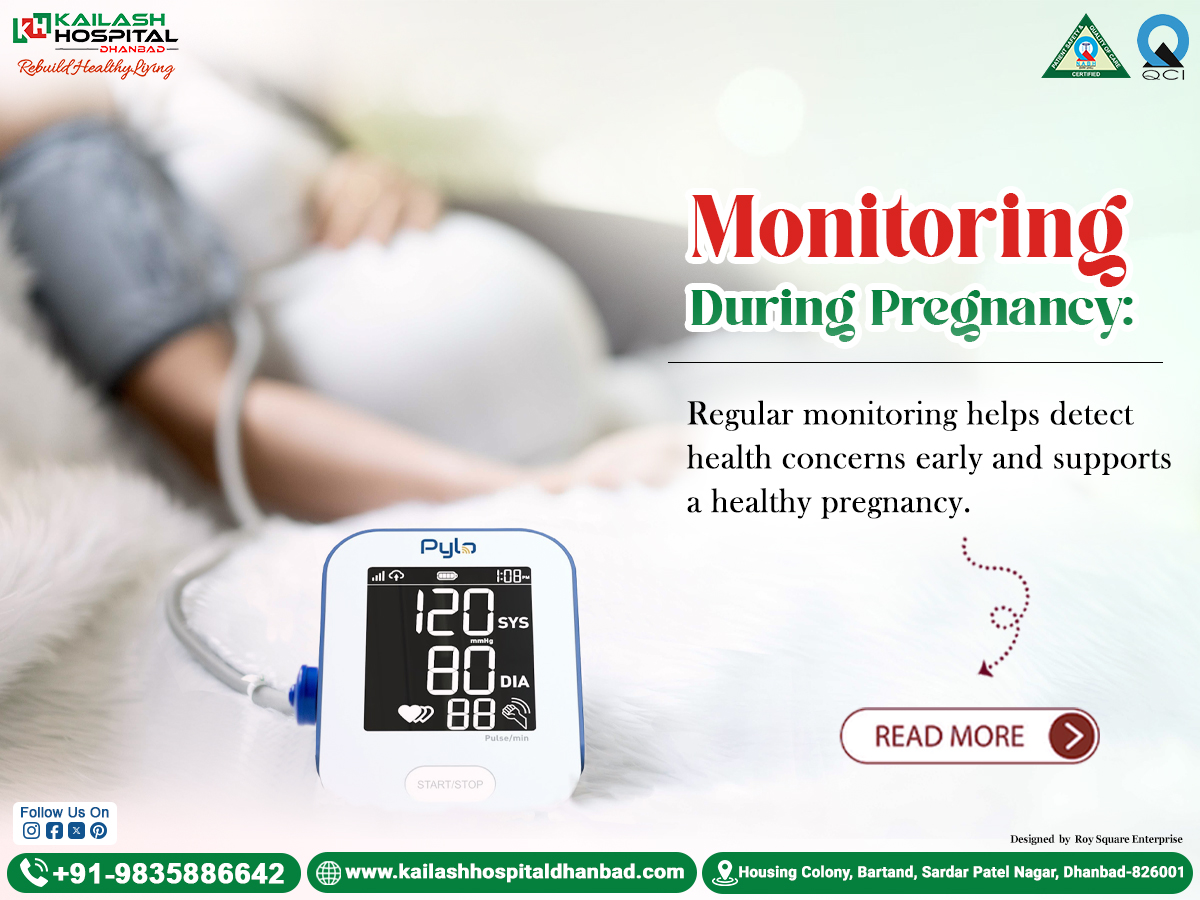
6. Monitoring During Pregnancy
Regular monitoring helps detect health concerns early and supports a healthy pregnancy.
Important aspects include:
- Blood pressure monitoring
- Weight assessment
- Blood sugar screening
- Routine blood tests
- Urine examination
- Ultrasound scans
- Fetal growth monitoring
- Nutritional assessment
If bloating becomes persistent or is associated with other symptoms, your doctor may recommend additional investigations to rule out underlying conditions.
7. Importance of Regular Gynaecologist Visits
Routine prenatal appointments are essential throughout pregnancy.
Regular consultations help:
- Monitor maternal health
- Assess baby’s growth and development
- Detect pregnancy complications early
- Manage digestive discomfort safely
- Provide personalized dietary advice
- Ensure healthy weight gain
- Address concerns before they become serious
Under the expert care of Dr. Neha Bajaj, Consultant Gynaecologist, Obstetrician and Fertility Specialist, patients receive individualized pregnancy care tailored to every trimester. At Kailash Hospital, Dhanbad, comprehensive maternal care combines modern diagnostic facilities with compassionate support for expecting mothers.
Whether you’re experiencing occasional bloating or persistent digestive issues, timely medical consultation can make your pregnancy journey healthier and more comfortable.
Conclusion
Bloating during pregnancy is one of the most common digestive concerns and is usually a normal response to hormonal and physical changes. Fortunately, simple lifestyle modifications, a balanced diet, regular exercise, proper hydration, and routine prenatal care can significantly reduce discomfort.
If bloating becomes severe, persistent, or is accompanied by warning signs such as severe abdominal pain, fever, or bleeding, do not ignore your symptoms. Prompt evaluation by a qualified specialist is essential.
For expert pregnancy care, consult Dr. Neha Bajaj, Consultant Gynaecologist, Obstetrician and Fertility Specialist, at Kailash Hospital, Dhanbad, where comprehensive maternal healthcare ensures the well-being of both mother and baby throughout pregnancy.
1. Is bloating during pregnancy normal?
Yes. Mild bloating is very common due to hormonal changes and slower digestion.
2. When does pregnancy bloating usually start?
Many women experience bloating during the first trimester, although it can continue throughout pregnancy.
3. What foods should I avoid if I have pregnancy bloating?
Limit carbonated drinks, fried foods, beans, cabbage, onions, cauliflower, and heavily processed foods if they trigger symptoms.
4. Can drinking more water reduce bloating?
Yes. Staying well hydrated supports healthy digestion and helps prevent constipation.
5. Is walking helpful for reducing bloating?
Yes. Gentle daily walking encourages healthy bowel movements and reduces gas buildup.
6. Can bloating harm my baby?
In most cases, bloating does not affect your baby’s health. However, severe symptoms should always be evaluated by a doctor.
7. Should I take gas relief medicine during pregnancy?
Only take medications prescribed or approved by your healthcare provider.
8. When should I see a doctor for bloating?
Seek medical attention if bloating is severe, persistent, or accompanied by fever, heavy bleeding, severe pain, vomiting, or decreased fetal movements.
9. Can constipation make bloating worse?
Yes. Constipation slows bowel movements and increases gas accumulation, making bloating more uncomfortable.
10. Where can I receive expert pregnancy care in Dhanbad?
For comprehensive prenatal care, pregnancy monitoring, and management of digestive concerns, consult Dr. Neha Bajaj at Kailash Hospital, Dhanbad.