




Table of Contents
- Introduction to Bone Health
- Why Vitamins Are Essential for Bones
- Vitamin D – The Most Important Vitamin for Bone Health
- Calcium and Bone Strength
- Vitamin K for Bone Density
- Magnesium for Healthy Bones
- Vitamin C and Bone Repair
- Symptoms of Poor Bone Health
- Best Foods for Strong Bones
- Bone Health Tips for Women and Elderly
- When to See an Orthopedic Specialist
- Why Patients Trust Kailash Hospital
- Conclusion
Which Vitamin Is Important for Bone Health? Here’s What You Need to Know
1. Introduction to Bone Health
Bones support the body, protect organs, and help us move freely. However, many people ignore bone health until they experience pain, fractures, or weakness.
A balanced diet rich in vitamins and minerals plays a major role in maintaining healthy bones. With age, bone density naturally decreases, making it essential to focus on proper nutrition and lifestyle habits early in life.
According to orthopedic experts, maintaining bone strength is not only important for elderly people but also for children, adults, and women after menopause
2. Why Vitamins Are Essential for Bones
Bones constantly undergo a process called remodeling, where old bone tissue is replaced with new tissue. Vitamins and minerals help support this process and maintain bone density.
Benefits of vitamins for bone health include:
- Improving calcium absorption
- Strengthening bone structure
- Supporting bone repair and healing
- Reducing fracture risk
- Maintaining joint flexibility
- Preventing bone-related disorders
Without adequate nutrition, bones may become weak, brittle, and more prone to injury.
3. Vitamin D – The Most Important Vitamin for Bone Health
When discussing bone health, Vitamin D is often considered the most important nutrient.
Why is Vitamin D Important?
Vitamin D helps the body absorb calcium efficiently. Without enough Vitamin D, the body cannot properly utilize calcium, even if calcium intake is adequate.
Benefits of Vitamin D
- Improves bone strength
- Prevents osteoporosis
- Supports muscle function
- Reduces fracture risk
- Maintains healthy bone density
Sources of Vitamin D
- Sunlight exposure
- Egg yolk
- Fatty fish
- Fortified milk
- Supplements recommended by doctors
Symptoms of Vitamin D Deficiency
- Bone pain
- Muscle weakness
- Frequent fractures
- Fatigue
- Back pain
According to Dr Ashish Bajaj, consultant orthopedic and joint replacement, arthroscopy at Kailash Hospital, Dhanbad, Vitamin D deficiency is becoming increasingly common due to indoor lifestyles and poor dietary habits.
4. Calcium and Bone Strength
Calcium is the primary mineral found in bones and teeth. Nearly 99% of the body’s calcium is stored in bones.
Benefits of Calcium
- Builds strong bones
- Maintains bone density
- Supports muscle movement
- Prevents bone thinning
Best Calcium-Rich Foods
- Milk
- Cheese
- Yogurt
- Almonds
- Green leafy vegetables
- Soy products
What Happens if Calcium Levels Are Low?
Low calcium levels may lead to:
- Weak bones
- Muscle cramps
- Fragile bones
- Increased fracture risk
Combining calcium with Vitamin D provides the best results for bone health.
5. Vitamin K for Bone Density
Vitamin K plays an important role in bone metabolism and helps improve bone mineralization.
Benefits of Vitamin K
- Supports bone density
- Helps calcium bind to bones
- Reduces risk of fractures
- Maintains skeletal strength
Foods Rich in Vitamin K
- Spinach
- Broccoli
- Kale
- Cabbage
- Lettuce
Several studies suggest that adequate Vitamin K intake may help reduce the risk of osteoporosis, especially in older adults.
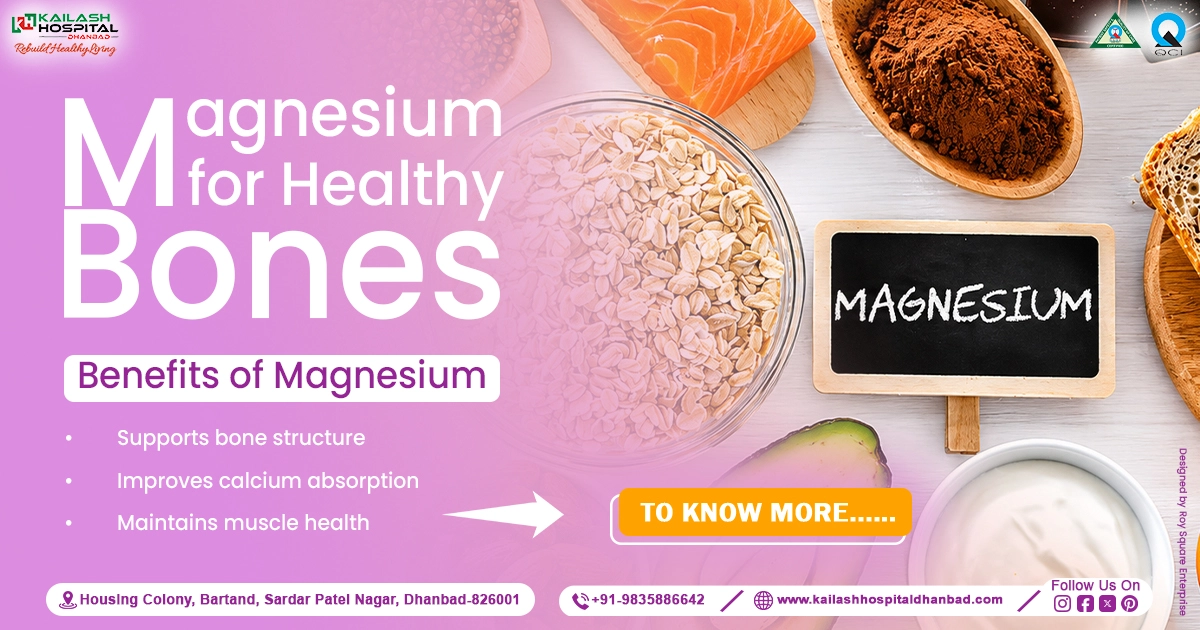
6. Magnesium for Healthy Bones
Magnesium is another essential mineral required for maintaining strong bones.
Why Magnesium Matters
Magnesium helps activate Vitamin D in the body and contributes to bone formation.
Benefits of Magnesium
- Supports bone structure
- Improves calcium absorption
- Maintains muscle health
- Reduces inflammation
Magnesium-Rich Foods
- Nuts
- Seeds
- Whole grains
- Bananas
- Dark chocolate
- Beans
A magnesium deficiency may contribute to weaker bones and muscle discomfort.
7. Vitamin C and Bone Repair
Vitamin C is essential for collagen production, which is important for healthy bones and connective tissues.
Benefits of Vitamin C
- Helps in bone healing
- Supports tissue repair
- Improves collagen formation
- Strengthens joints and ligaments
Best Sources of Vitamin C
- Oranges
- Lemons
- Guava
- Strawberries
- Tomatoes
- Bell peppers
Vitamin C also acts as an antioxidant and protects bone cells from damage.
8. Symptoms of Poor Bone Health
Weak bones may not always show symptoms initially, but certain warning signs should never be ignored.
Common Symptoms Include:
- Persistent bone pain
- Joint stiffness
- Frequent fractures
- Weak muscles
- Back pain
- Loss of height
- Difficulty walking
If these symptoms continue for a long time, medical consultation becomes necessary.
Dr Ashish Bajaj, consultant orthopedic and joint replacement, arthroscopy at Kailash Hospital, Dhanbad, advises early diagnosis and timely treatment to prevent serious bone complications.
9. Best Foods for Strong Bones
A healthy diet is one of the best ways to maintain strong bones naturally.
Foods That Support Bone Health
Dairy Products
Milk, yogurt, and cheese provide calcium and protein.
Green Vegetables
Spinach, kale, and broccoli contain Vitamin K and magnesium.
Fatty Fish
Salmon and tuna are rich in Vitamin D.
Nuts and Seeds
Almonds and chia seeds support bone density.
Fruits
Oranges and berries provide Vitamin C.
Protein-Rich Foods
Eggs, beans, and lean meats help maintain bone structure.
A balanced diet combined with regular exercise can significantly improve bone strength.
10. Bone Health Tips for Women and Elderly
Women and elderly individuals are more likely to develop bone-related conditions like osteoporosis.
Important Bone Care Tips
Stay Physically Active
Walking and weight-bearing exercises strengthen bones.
Get Regular Sunlight
Sunlight helps the body produce Vitamin D naturally.
Avoid Smoking and Alcohol
These habits weaken bones over time.
Maintain Healthy Weight
Both obesity and underweight conditions can affect bone health.
Regular Health Checkups
Bone density tests help detect problems early.
Post-menopausal women should pay extra attention to calcium and Vitamin D intake.
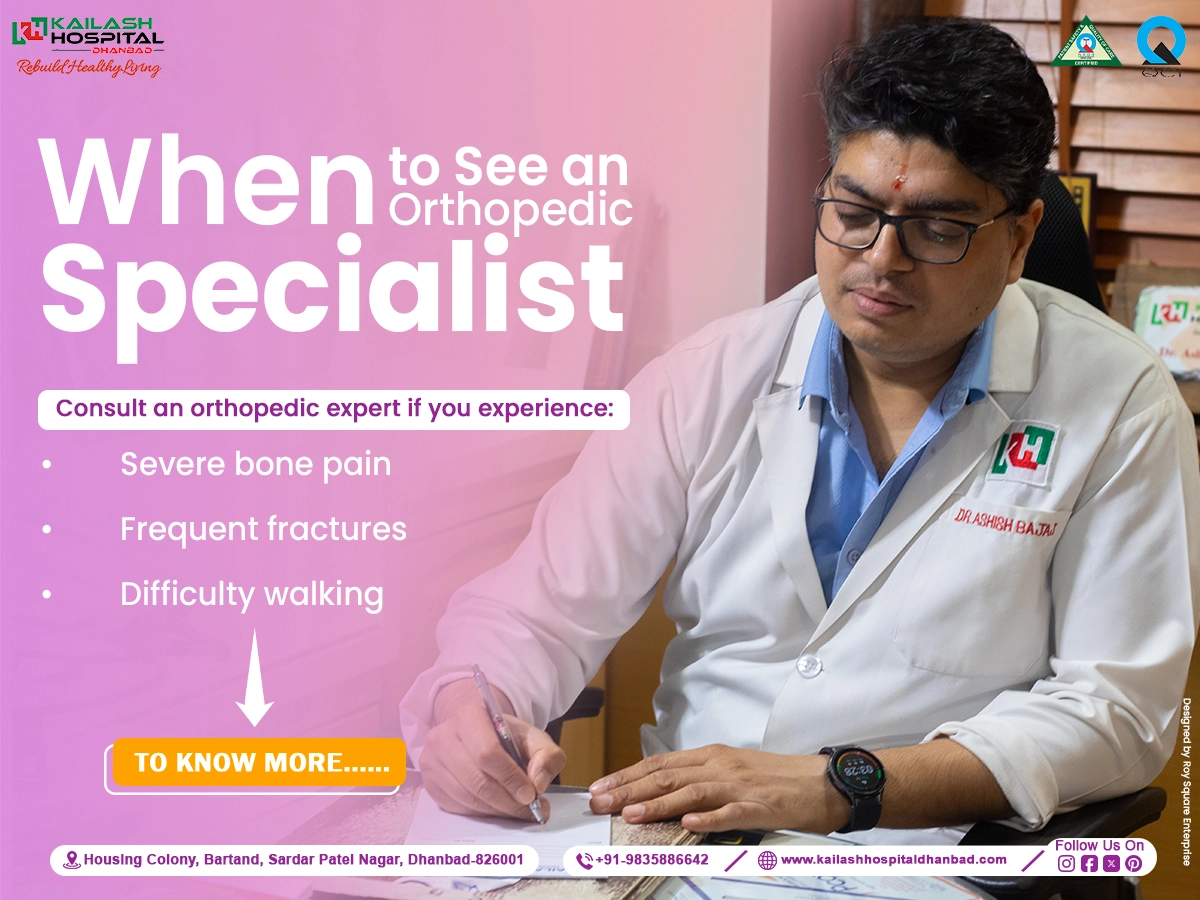
11. When to See an Orthopedic Specialist
Consult an orthopedic expert if you experience:
- Severe bone pain
- Frequent fractures
- Difficulty walking
- Joint stiffness
- Persistent back pain
- Sudden loss of mobility
Early medical care can help prevent long-term complications.
For expert orthopedic care, patients can consult Dr. Ashish Bajaj, consultant orthopedic and joint replacement, arthroscopy at Kailash Hospital, Dhanbad, for diagnosis and advanced treatment options related to bone and joint health.
Why Patients Trust Kailash Hospital
- Experienced orthopedic specialists
- Advanced diagnostic facilities
- Personalized treatment plans
- Joint replacement expertise
- Comprehensive patient care
- Modern surgical techniques
Under the guidance of experienced expert Dr. Ashish Bajaj, patients receive quality care for bone, joint, and orthopedic conditions.
Conclusion
Healthy bones are essential for maintaining an active and pain-free life. Vitamins such as Vitamin D, Calcium, Vitamin K, Magnesium, and Vitamin C play a major role in strengthening bones and preventing bone-related disorders.
A nutritious diet, regular exercise, proper sunlight exposure, and timely medical care can significantly improve bone health. Ignoring symptoms like persistent bone pain or weakness may lead to serious complications in the future.
If you are facing bone or joint issues, consulting an experienced orthopedic specialist can help you receive proper diagnosis and treatment at the right time.
1. Which vitamin is most important for bone health?
Vitamin D is considered the most important because it helps absorb calcium.
2. Is calcium enough for strong bones?
No, calcium works best when combined with Vitamin D, Vitamin K, and magnesium.
3. Which foods improve bone strength?
Milk, fish, green vegetables, nuts, and fruits help strengthen bones.
4. Can Vitamin D deficiency cause bone pain?
Yes, severe Vitamin D deficiency may lead to bone pain and weakness.
5. How can I naturally improve bone density?
Exercise regularly, eat nutritious foods, and get proper sunlight exposure.
6. Are women at higher risk of weak bones?
Yes, especially after menopause due to hormonal changes.
7. What are signs of poor bone health?
Frequent fractures, bone pain, and muscle weakness are common signs.
8. Can children have weak bones?
Yes, poor nutrition and lack of Vitamin D can affect children too.
9. How much sunlight is needed for Vitamin D?
Around 15–20 minutes of morning sunlight exposure is generally beneficial.
10. When should I consult an orthopedic doctor?
If you experience continuous bone pain, fractures, or difficulty in movement.