





Table of Contents
Introduction – Overview of Fallopian Tube Blockage
Introduction – Overview of Fallopian Tube Blockage
Fallopian tube blockage is one of the most common causes of female infertility. The fallopian tubes play an important role in pregnancy because they help the egg travel from the ovaries to the uterus. When these tubes become blocked, fertilization may become difficult or impossible.
Many women may not notice symptoms until they try to conceive. The good news is that early diagnosis and advanced fertility treatments can improve the chances of pregnancy.
At Kailash Hospital, fertility expert Dr. Neha Bajaj provide advanced diagnosis and treatment options for women facing fertility-related concerns.
1. Types of Fallopian Tube Blockage
Fallopian tube blockage can occur in different parts of the tube.
Proximal Tubal Blockage
This blockage occurs near the uterus and may prevent sperm from reaching the egg.
Distal Tubal Blockage
This type affects the end of the tube near the ovary and can interfere with egg pickup.
Hydrosalpinx
A severe condition where the tube becomes swollen and filled with fluid.
Partial Blockage
The tube is not completely blocked but fertility may still be reduced.
Complete Blockage
The egg and sperm cannot meet naturally due to total obstruction.
2. Causes of Fallopian Tube Blockage
Several medical conditions and infections can damage the fallopian tubes.
Common Causes
Pelvic Inflammatory Disease (PID)
One of the leading causes of tubal damage caused by bacterial infection.
Endometriosis
Tissue growth outside the uterus may create scar tissue around the tubes.
Sexually Transmitted Infections (STIs)
Untreated infections like chlamydia and gonorrhea can damage reproductive organs.
Previous Abdominal or Pelvic Surgery
Surgical scars may block the tubes.
Genital tuberculosis is a major cause of infertility in some women.
Ectopic Pregnancy
A previous ectopic pregnancy may damage the tube permanently.
According to specialists at Kailash Hospital, timely treatment of infections can help protect fertility health.
3. Risk Factors
Certain factors increase the chances of developing blocked fallopian tubes.
Major Risk Factors
- History of pelvic infections
- Unsafe sexual practices
- Smoking
- Multiple abortions
- Previous pelvic surgeries
- Delayed pregnancy planning
- Endometriosis
- Poor reproductive health care
Women with fertility concerns should consult experts like Dr. Neha Bajaj for early evaluation and guidance.
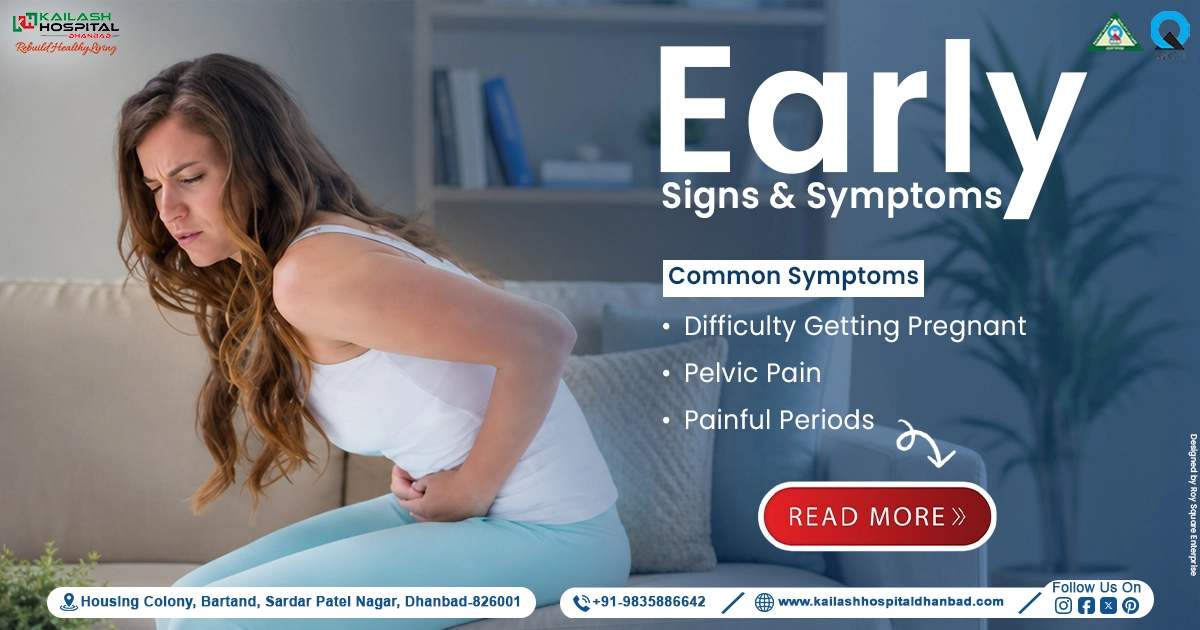
4. Early Signs & Symptoms
Some women may not experience symptoms, while others may notice warning signs.
Common Symptoms
Difficulty Getting Pregnant
Infertility is often the first sign.
Pelvic Pain
Chronic lower abdominal pain may indicate tubal damage.
Painful Periods
Pain during menstruation may be linked with endometriosis.
Pain During Intercourse
Some women experience discomfort during intimacy.
Unusual Vaginal Discharge
Infections affecting the reproductive tract may cause abnormal discharge.
Irregular Pelvic Discomfort
Persistent pain should never be ignored.
5. How Fallopian Tube Blockage Affects Fertility
Healthy fallopian tubes are necessary for natural conception.
Impact on Fertility
Prevents Egg and Sperm from Meeting
Blocked tubes stop fertilization from occurring naturally.
Increases Infertility Risk
Complete blockage in both tubes can lead to infertility.
Raises Risk of Ectopic Pregnancy
Partial blockage may allow fertilization but prevent proper implantation.
Reduces Pregnancy Chances
Tubal damage affects reproductive health significantly.
Fortunately, modern fertility treatments can help many women become pregnant successfully.
6. Diagnosis of Fallopian Tube Blockage
Doctors use specialized tests to identify tube blockage accurately.
Common Diagnostic Tests
HSG Test (Hysterosalpingography)
A dye test used to check whether the tubes are open.
Ultrasound Scan
Helps detect abnormalities in reproductive organs.
Sonosalpingography
Uses saline and ultrasound to examine the tubes.
Laparoscopy
A minimally invasive procedure used for direct examination.
Fertility Assessment
Doctors may recommend hormone and ovulation tests.
At Kailash Hospital, advanced fertility testing helps identify the exact cause of infertility for effective treatment planning.
7. Complications of Untreated Tube Blockage
Ignoring fallopian tube blockage may lead to serious reproductive complications.
Possible Complications
- Infertility
- Ectopic pregnancy
- Chronic pelvic pain
- Severe reproductive infections
- Emotional stress and anxiety
- Delayed pregnancy planning complications
Early diagnosis can improve treatment success rates significantly.
8. When Should You See a Fertility Specialist?
You should consult a fertility specialist if:
- You are trying to conceive for more than 1 year
- You have a history of pelvic infections
- You experience chronic pelvic pain
- Your periods are painful or irregular
- You have had previous ectopic pregnancy
- You have undergone multiple pelvic surgeries
Expert Dr. Neha Bajaj provide personalized fertility care and advanced reproductive treatment options.
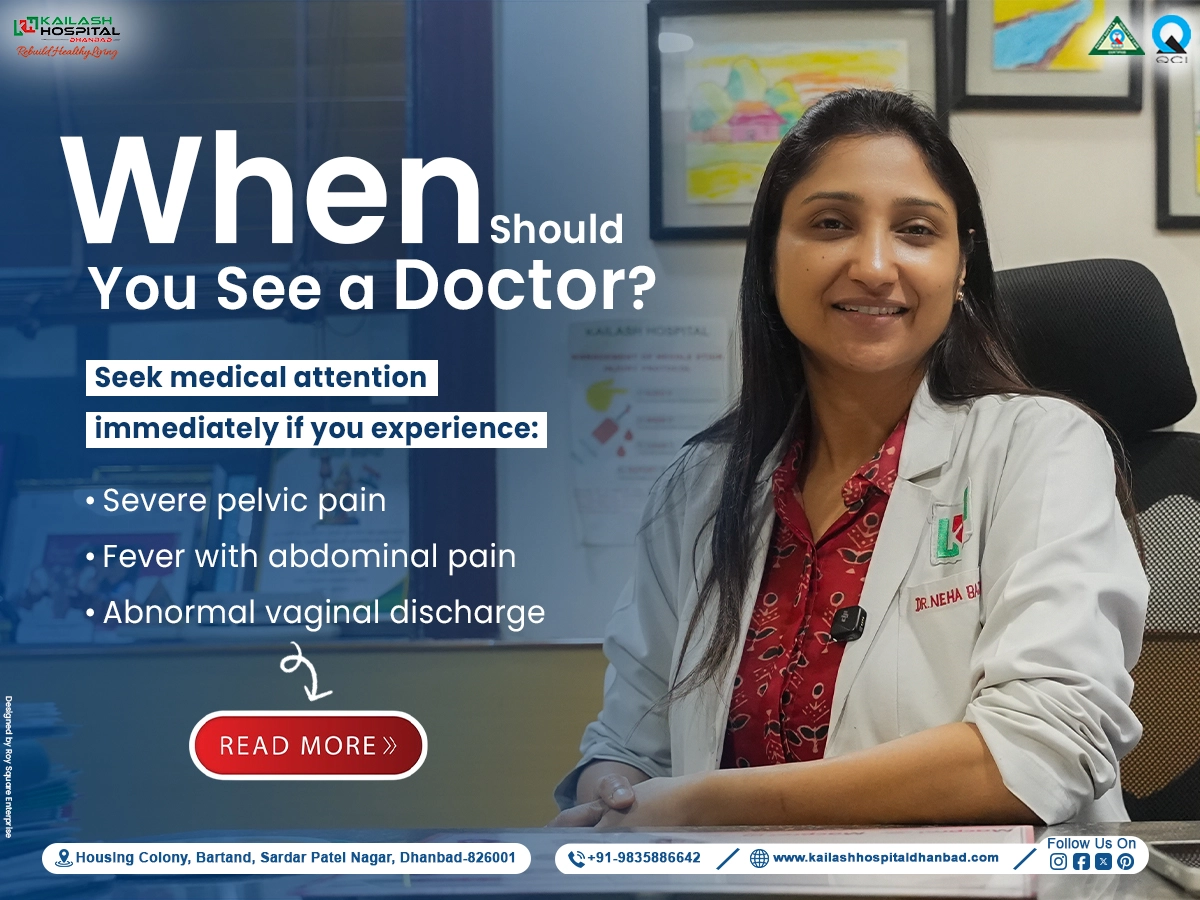
9. When Should You See a Doctor?
Seek medical attention immediately if you experience:
- Severe pelvic pain
- Fever with abdominal pain
- Abnormal vaginal discharge
- Pain during intercourse
- Difficulty conceiving
- Irregular menstrual cycles
Early medical intervention can help preserve fertility and prevent complications.
Conclusion
Fallopian tube blockage is a common but treatable cause of infertility. With advanced fertility care, many women can still achieve successful pregnancy outcomes.
If you are facing fertility concerns, consult specialists at Kailash Hospital for expert evaluation and personalized treatment. Experienced doctor Dr. Neha Bajaj can guide you through the right fertility treatment plan with compassionate care.
1. Can blocked fallopian tubes cause infertility?
Yes, blocked tubes can prevent natural conception.
2. Can I get pregnant with one blocked tube?
Yes, pregnancy is possible if the other tube is healthy.
3. What are the symptoms of blocked tubes?
Pelvic pain, infertility, and painful periods are common symptoms.
4. Is fallopian tube blockage treatable?
Yes, surgery and fertility treatments can help.
5. What is the best test for blocked fallopian tubes?
HSG is one of the most common diagnostic tests.
6. Can IVF help with blocked tubes?
Yes, IVF is highly effective for severe tubal blockage.
7. Is laparoscopy safe for tube blockage?
Yes, it is a commonly used minimally invasive procedure.
8. Can infections damage fallopian tubes?
Yes, untreated pelvic infections can cause permanent damage.
9. Can blocked tubes reopen naturally?
In some mild cases it may happen, but medical evaluation is necessary.
10. When should I visit a fertility doctor?
If you have difficulty conceiving for more than a year or experience pelvic symptoms, consult a specialist immediately.