





Pregnancy is meant to be a joyful journey, but receiving a diagnosis like cervical cancer during this time can feel overwhelming. The good news is that with early detection, expert care, and the right guidance, cervical cancer during pregnancy is manageable, and many women go on to have healthy outcomes for both themselves and their babies.
This comprehensive guide is written in a clear, compassionate, and patient-friendly manner, helping you understand the condition, treatment options, and the importance of specialized antenatal care.
1. What Is Cervical Cancer?
Cervical cancer develops in the cells of the cervix—the lower part of the uterus that connects to the vagina. It usually grows slowly and often begins with precancerous changes caused by long-term infection with the Human Papillomavirus (HPV). Regular screening plays a crucial role in early detection and successful treatment.
2. Understanding Cervical Cancer During Pregnancy
Cervical cancer during pregnancy is rare, but it does occur. In many cases, it is detected early because pregnant women undergo frequent medical check-ups and screenings. Pregnancy itself does not cause cervical cancer, nor does it accelerate its growth in most cases.
The approach to care focuses on protecting the mother’s health while ensuring the safety of the developing baby. Each case is unique and requires personalized medical planning.
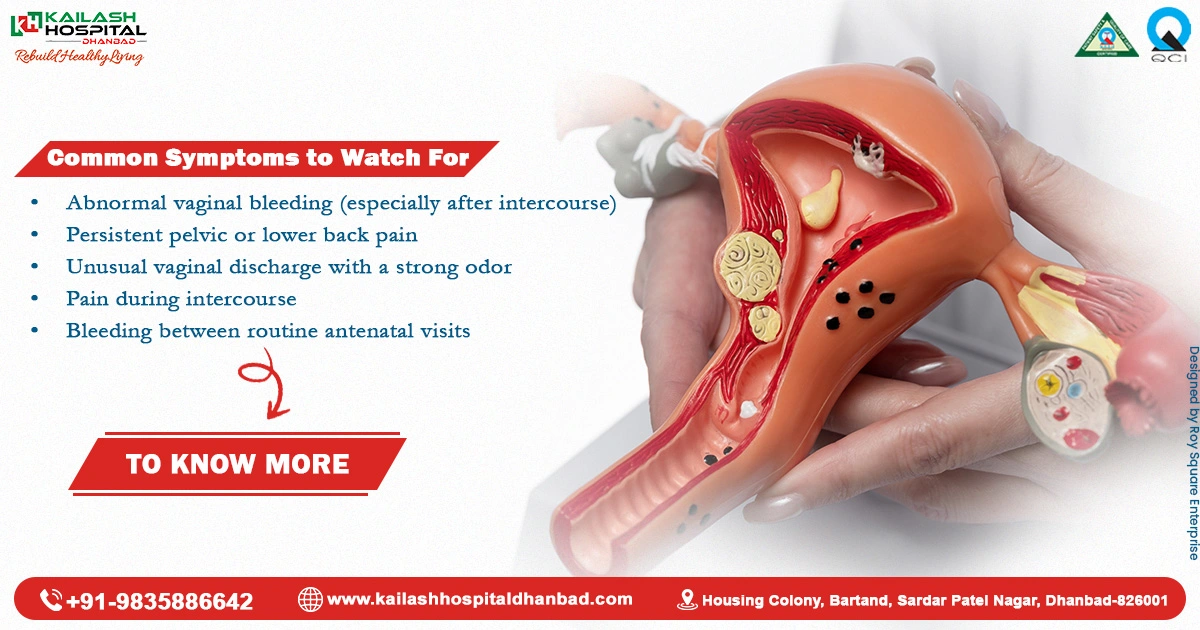
3. Common Symptoms to Watch For
Symptoms of cervical cancer can sometimes resemble normal pregnancy changes, which is why awareness is essential. Warning signs may include:
- Abnormal vaginal bleeding (especially after intercourse)
- Persistent pelvic or lower back pain
- Unusual vaginal discharge with a strong odor
- Pain during intercourse
- Bleeding between routine antenatal visits
Any unusual symptom should be discussed promptly with a specialist.
4. Causes & Risk Factors
Several factors can increase the risk of cervical cancer, including:
- Persistent HPV infection
- Early onset of sexual activity
- Multiple pregnancies
- Smoking
- Weakened immune system
- Lack of regular Pap smear screening before pregnancy
Understanding these risk factors helps in prevention and early diagnosis.
5. How Cervical Cancer Is Diagnosed During Pregnancy
Diagnosis during pregnancy is safe and carefully planned. Common diagnostic methods include:
- Pap smear – routinely performed and safe during pregnancy
- HPV testing – helps identify high-risk virus strains
- Colposcopy – a detailed examination of the cervix
- Biopsy – done only when necessary and under expert supervision
Imaging tests are selected carefully to avoid harm to the fetus.
6. Possible Complications of Cervical Cancer in Pregnancy
If not managed appropriately, cervical cancer may lead to complications such as:
- Increased risk of preterm labor
- Bleeding complications
- Need for early delivery
- Emotional and psychological stress
With timely treatment and expert care, many of these risks can be minimized.
7. Treatment Options During Pregnancy
Treatment depends on the stage of cancer, gestational age, and overall maternal health. Options may include:
- Careful monitoring for very early-stage cancer
- Surgical intervention in selected cases
- Chemotherapy after the first trimester, if required
- Delaying definitive treatment until after delivery when safe
At Kailash Hospital, Dhanbad, treatment decisions are made by a multidisciplinary team to ensure the best outcomes.
8. Is the Baby at Risk?
One of the biggest concerns for expecting mothers is the baby’s safety. In most cases:
- Cervical cancer does not spread to the baby
- Treatment plans are designed to minimize fetal risk
- Babies are closely monitored throughout pregnancy
Many women with cervical cancer deliver healthy babies under proper medical supervision.
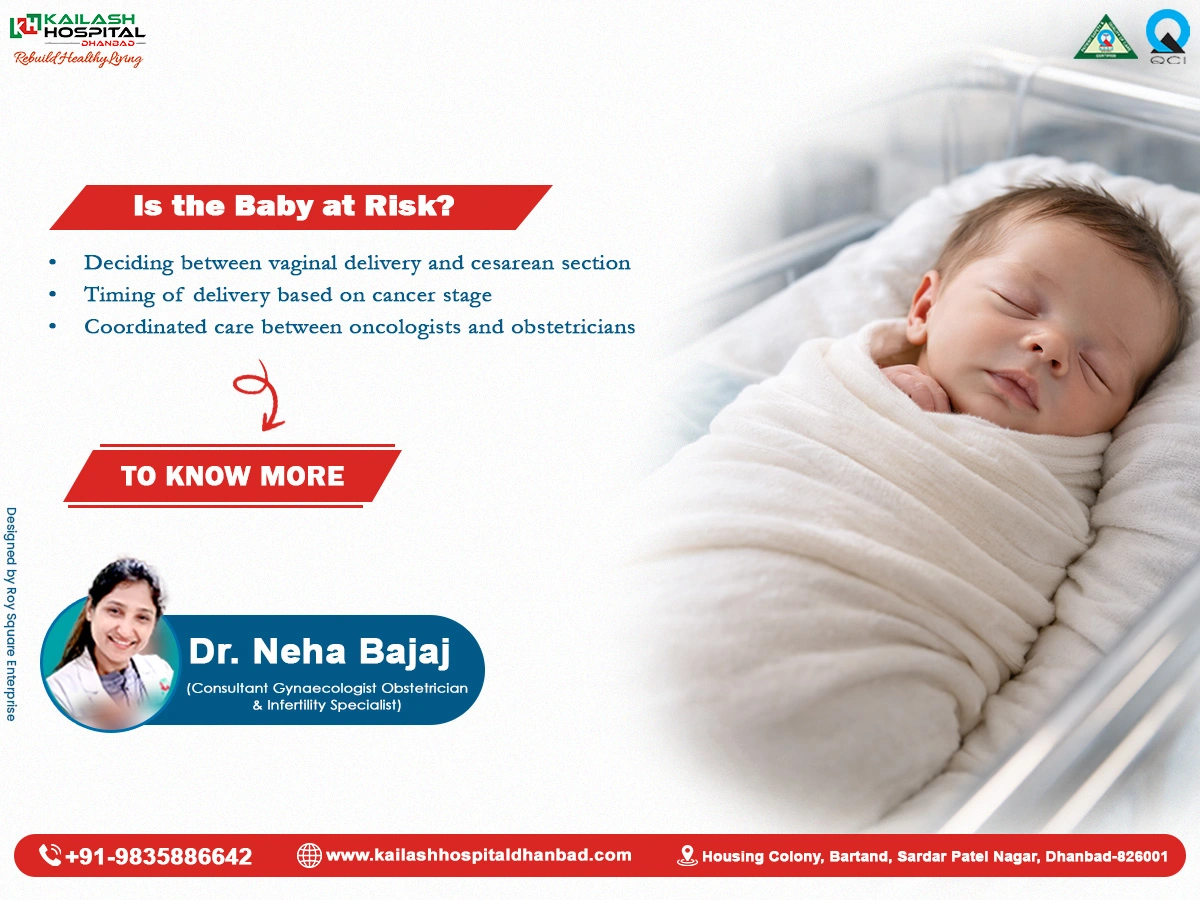
9. Pregnancy & Delivery Planning Considerations
Delivery planning is individualized and may involve:
- Deciding between vaginal delivery and cesarean section
- Timing of delivery based on cancer stage
- Coordinated care between oncologists and obstetricians
The primary goal is a safe delivery for both mother and child.

10. Importance of Regular Antenatal Care (Expert Insight)
Regular antenatal care is the foundation of safe pregnancy management, especially in high-risk cases. Dr. Neha Bajaj, Consultant Gynaecologist, Obstetrician, and Fertility Specialist at Kailash Hospital, Dhanbad, emphasizes that routine check-ups enable early detection, timely intervention, and emotional reassurance for expecting mothers.
Under the guidance of Dr. Neha Bajaj, patients receive compassionate care, close monitoring, and personalized treatment plans tailored to their medical and emotional needs.
11. Why Choose Kailash Hospital, Dhanbad
Kailash Hospital, Dhanbad, is a trusted center for women’s healthcare, offering:
- Experienced specialists like Dr. Neha Bajaj
- Advanced diagnostic and treatment facilities
- Multidisciplinary care approach
- Patient-focused, compassionate environment
- Proven expertise in managing high-risk pregnancies
The hospital is committed to delivering safe, ethical, and personalized care.
12. Conclusion
Cervical cancer during pregnancy can be frightening, but it is not a hopeless diagnosis. With early detection, expert medical guidance, and consistent antenatal care, most women can navigate this journey safely. Timely intervention, emotional support, and trusted specialists make all the difference.
If you or a loved one is facing this condition, seeking care at Kailash Hospital, Dhanbad, under the guidance of Dr. Neha Bajaj, ensures compassionate treatment and the best possible outcomes for both mother and baby.
1. Can cervical cancer be treated during pregnancy?
Yes, treatment is possible and depends on the cancer stage and pregnancy period.
2. Is Pap smear safe during pregnancy?
Yes, Pap smear is safe and commonly done during antenatal care.
3. Will treatment harm my baby?
Most treatments are planned to protect the baby and minimize risks.
4. Can pregnancy continue after diagnosis?
Yes, many women continue pregnancy safely with close monitoring.
5. Is chemotherapy safe during pregnancy?
Some chemotherapy drugs are safe after the first trimester if needed.
6. Will I need a cesarean delivery?
Not always; delivery method depends on cancer stage and condition.
7. Can cervical cancer affect future fertility?
It may, depending on treatment, but fertility-preserving options exist.
8. How often should I visit my doctor?
More frequent antenatal visits are usually required.
9. What is the survival rate if detected early?
Early detection offers very high survival rates.
10. Can cervical cancer recur after pregnancy?
Recurrence is rare with proper treatment and follow-up care.