




Introduction
World Thalassemia Day is observed to raise awareness about thalassemia—a serious genetic blood disorder that affects thousands of families worldwide.
Despite being preventable in many cases, lack of awareness and screening continues to make it a major health concern, especially in countries like India. This guide aims to provide clear, practical, and trustworthy information to help individuals and families stay informed and proactive.
1. What is Thalassemia?
Thalassemia is an inherited blood disorder that affects the body’s ability to produce hemoglobin—the protein in red blood cells responsible for carrying oxygen.
Key Points:
- Leads to chronic anemia
- Causes fatigue and weakness
- Requires lifelong management in severe cases
There are two main conditions:
- Thalassemia Minor (Carrier) – usually mild or no symptoms
- Thalassemia Major – severe form requiring regular treatment
2. Causes of Thalassemia
Thalassemia is caused by genetic mutations passed from parents to children.
Important Causes:
- Both parents carrying the thalassemia gene
- Inherited defects in hemoglobin production
- Higher risk in certain populations
If both parents are carriers, there is a 25% chance their child may have thalassemia major.
3. Types of Thalassemia
Understanding the types helps in early diagnosis and management:
Alpha Thalassemia
- Caused by reduced alpha-globin production
- Severity ranges from mild to severe
Beta Thalassemia
- Caused by defective beta-globin production
- More common and often more severe
Thalassemia Minor
- Carrier state
- Usually no major health issues
Thalassemia Major
- Severe condition
- Requires lifelong blood transfusions
4. Treatment & Management
While thalassemia cannot always be completely cured, proper treatment can help patients live a healthy life.
Common Treatment Options:
- Regular blood transfusions
- Iron chelation therapy (to remove excess iron)
- Bone marrow transplant (potential cure in some cases)
- Nutritional support and supplements
At Kailash hospital, Dhanbad, patients receive comprehensive care with modern treatment approaches and continuous monitoring.
5. Diagnosis & Screening
Early diagnosis plays a crucial role in managing thalassemia effectively.
Diagnostic Methods:
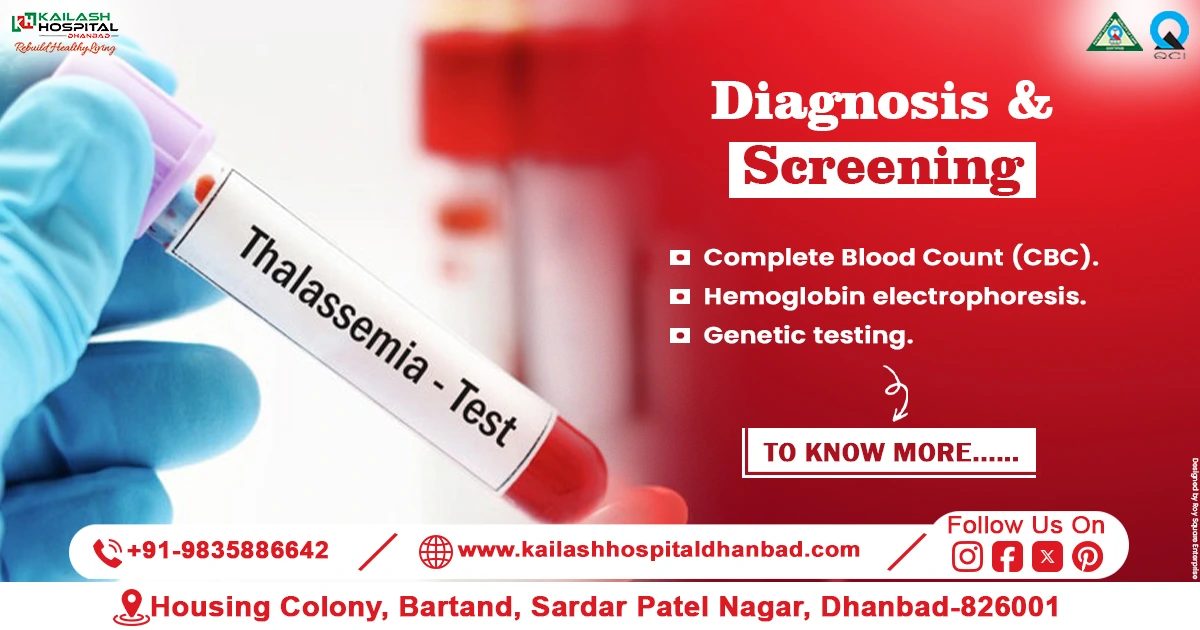
- Complete Blood Count (CBC)
- Hemoglobin electrophoresis
- Genetic testing
- Prenatal testing (for expecting parents)
Screening helps identify carriers before symptoms appear.
6. Importance of Carrier Screening & Prevention
Prevention is one of the most powerful tools against thalassemia.
Why Screening Matters:
- Identifies carriers before marriage or pregnancy
- Helps couples make informed decisions
- Reduces risk of thalassemia major in children
Prevention Tips:
- Premarital screening
- Genetic counseling
- Community awareness programs
Kailash hospital, Dhanbad actively promote screening and awareness to reduce the burden of this disease.
7. Why World Thalassemia Day Matters
World Thalassemia Day is more than just a date—it’s a global movement.
Its Importance:
- Raises awareness about prevention
- Encourages early diagnosis
- Supports patients and families
- Promotes voluntary blood donation
It reminds us that awareness can save lives.
8. Role of Hospitals & Healthcare Providers
Healthcare institutions play a key role in fighting thalassemia.
Their Contributions:
- Providing advanced diagnostic facilities
- Offering long-term treatment plans
- Conducting awareness campaigns
- Supporting patients emotionally and medically
Kailash hospital, Dhanbad ensure patients receive reliable, compassionate, and expert care.
9. When to See a Doctor
Consult a doctor if you notice:
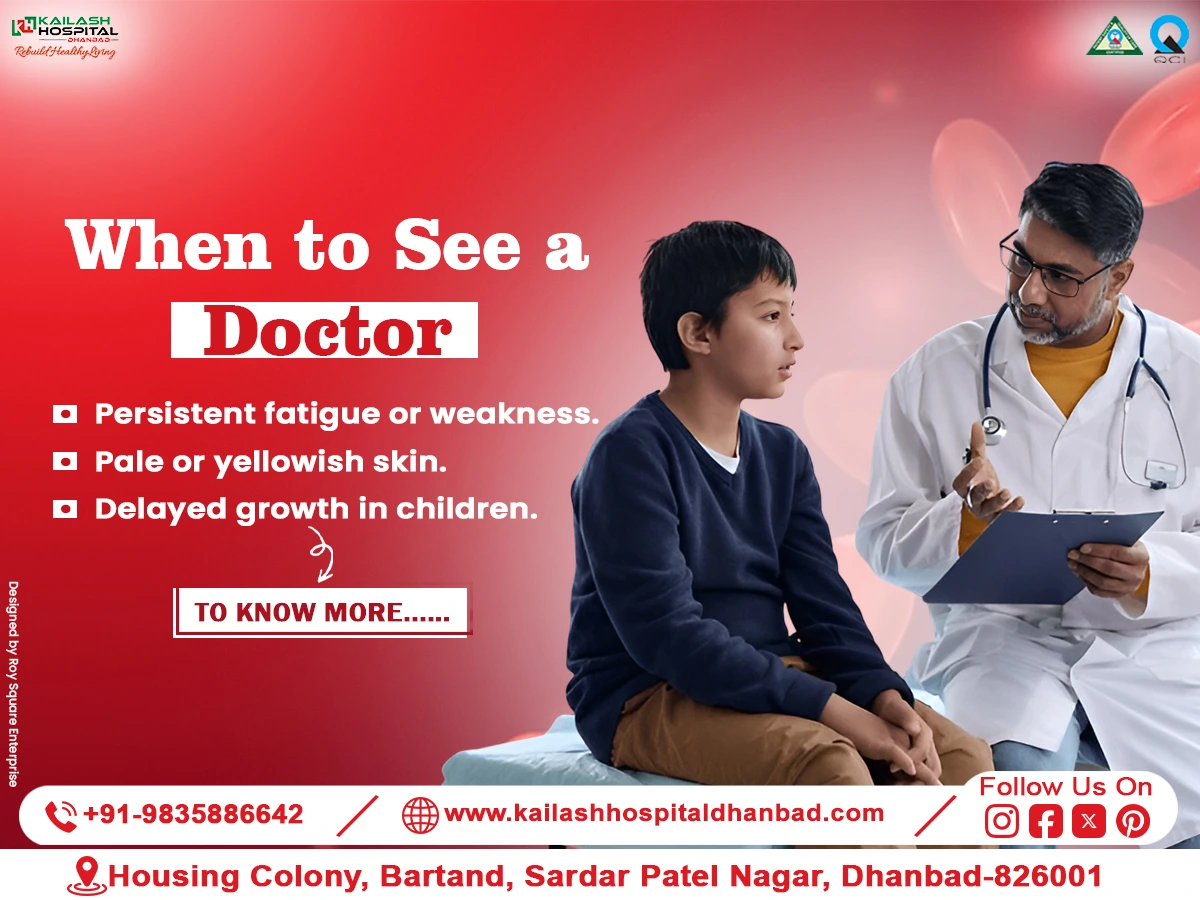
- Persistent fatigue or weakness
- Pale or yellowish skin
- Delayed growth in children
- Family history of thalassemia
Early consultation helps prevent complications and ensures timely care.
Conclusion
Thalassemia is a serious yet preventable condition when awareness and early screening are prioritized. World Thalassemia Day reminds us of the importance of education, timely diagnosis, and compassionate care.
By taking simple steps like screening and consulting healthcare professionals, we can reduce the impact of this disorder on future generations.
1. What is World Thalassemia Day?
It is observed on May 8 to spread awareness about thalassemia.
2. Is thalassemia curable?
Bone marrow transplant can cure some cases, but not all.
3. Can carriers live a normal life?
Yes, thalassemia minor usually has no major health impact.
4. How is thalassemia inherited?
It is passed genetically from parents to children.
5. Can thalassemia be prevented?
Yes, through carrier screening and genetic counseling.
6. What tests are used to diagnose it?
Blood tests and genetic testing are commonly used.
7. Is thalassemia common in India?
Yes, it is relatively common and requires awareness.
8. Do all patients need blood transfusions?
Only severe cases (thalassemia major) require regular transfusions.
9. When should couples get screened?
Before marriage or planning pregnancy.
10. Where can I get tested or treated?
You can visit trusted healthcare center Kailash hospital, Dhanbad for screening and expert care.