





Hip pain can make simple activities such as walking, climbing stairs, sitting, or getting out of bed uncomfortable. While mild pain may sometimes improve with rest, persistent or severe hip pain should not always be ignored. It can be linked to arthritis, injuries, muscle problems, or other conditions affecting the hip joint.
Understanding the cause of hip pain and knowing when to seek medical attention can help prevent the problem from becoming more serious.
This complete guide explains the common causes, warning signs, diagnosis, treatment options, prevention tips, and when hip replacement may be considered.
1. What Is Hip Pain? Is Hip Pain Normal in Adults?
Hip pain refers to discomfort around the hip joint or the surrounding areas, including the groin, thigh, buttocks, or outer side of the hip.
Occasional hip discomfort after strenuous exercise or minor physical activity can happen in adults and may improve with adequate rest. However, repeated, worsening, or long-lasting hip pain is not something that should simply be considered a normal part of ageing.
The hip is a major weight-bearing joint. It helps support the body and allows movements such as walking, running, bending, and sitting. Problems affecting the bones, cartilage, muscles, tendons, or ligaments around this joint can lead to pain and stiffness.
2. Common Causes of Hip Pain
Hip pain can develop for many different reasons. Some common causes include:
1. Osteoarthritis
Osteoarthritis occurs when the protective cartilage inside the joint gradually wears down. It can cause pain, stiffness, and difficulty with movement.
2. Hip Injury
Falls, sports injuries, accidents, or sudden movements can cause strains, sprains, or fractures around the hip.
3. Muscle or Tendon Problems
Overuse or repetitive activities can affect the muscles and tendons around the hip, resulting in pain and tenderness.
4. Bursitis
Small fluid-filled sacs called bursae help reduce friction around joints. Inflammation of these structures can cause pain, particularly on the outer side of the hip.
5. Rheumatoid Arthritis
This is an inflammatory condition that can affect joints, including the hip, leading to pain and stiffness.
6. Hip Fracture
A hip fracture can occur after a significant injury. In older adults, weakened bones can also increase the risk of fractures after a fall.
7. Other Joint or Nerve Problems
Pain felt around the hip can sometimes originate from the lower back or other areas. A proper evaluation can help identify the actual source of the pain.
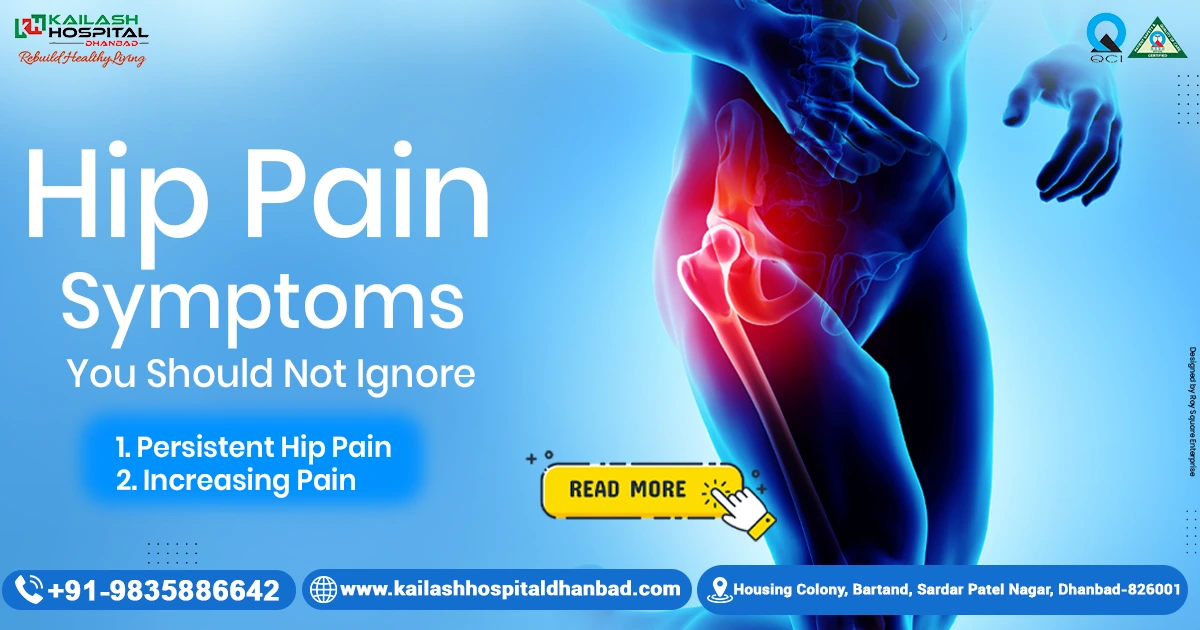
3. Hip Pain Symptoms You Should Not Ignore
Not every episode of hip pain indicates a serious condition. However, certain symptoms deserve medical attention.
1. Persistent Hip Pain
Pain that continues for several days or weeks despite rest should be evaluated, particularly if it interferes with daily activities.
2. Increasing Pain
If hip pain gradually becomes more frequent or severe, it may indicate an underlying joint or musculoskeletal problem.
3. Difficulty Walking
Pain that makes walking difficult or causes you to change the way you walk should not be ignored.
4. Significant Stiffness
Persistent stiffness, especially after periods of rest, can occur with several hip conditions, including arthritis.
5. Pain at Night
Hip pain that repeatedly disturbs your sleep may require medical evaluation.
6. Sudden Severe Pain After an Injury
Severe pain after a fall, accident, or sports injury requires prompt medical attention, especially if you cannot put weight on the affected leg.
4. When Should I Worry About Hip Pain?
You should take hip pain more seriously when it is severe, persistent, worsening, or associated with other concerning symptoms.
Seek medical advice if:
- Pain does not improve with rest.
- You have difficulty walking or bearing weight.
- Pain repeatedly wakes you at night.
- Hip movement has become increasingly limited.
- Symptoms are getting worse over time.
- You experience severe pain after a fall or injury.
- You notice significant swelling, redness, or warmth.
- Hip pain is affecting work, sleep, or everyday activities.
Early evaluation can help identify the underlying cause and determine an appropriate treatment plan.
5. How Is Hip Pain Diagnosed?
A doctor generally begins with a detailed discussion about your symptoms, medical history, previous injuries, and daily activities.
A physical examination may include checking:
- Hip movement and flexibility
- Walking pattern
- Muscle strength
- Tenderness around the joint
- Pain during specific movements
Depending on the suspected cause, the doctor may recommend imaging or other tests. These can include X-rays, MRI scans, CT scans, or blood tests in selected cases.
The goal is not simply to identify where the pain is located but to understand why the pain is occurring.
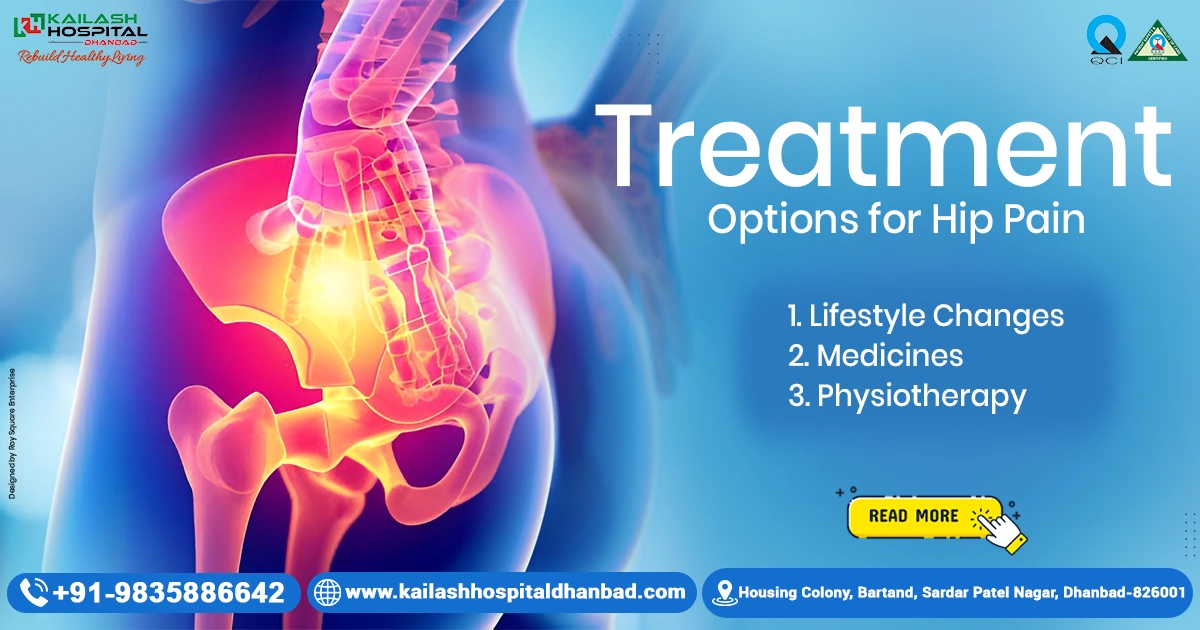
6. Treatment Options for Hip Pain
Treatment depends on the cause, severity, age, activity level, and overall condition of the patient.
Lifestyle Changes
Reducing activities that increase pain, maintaining a healthy weight, and choosing appropriate physical activity may help reduce stress on the hip.
Medicines
Doctors may recommend suitable pain-relieving or anti-inflammatory medicines when appropriate. These should be taken according to professional medical advice.
Physiotherapy
A structured physiotherapy programme can help improve muscle strength, flexibility, balance, and joint movement.
Injections
In selected cases, injections may be considered to help manage pain and inflammation.
Surgery
When conservative treatments do not provide adequate relief and significant joint damage is present, surgery may be considered.
Dr Ashish Bajaj, Consultant Orthopedic and Joint Replacement, Arthroscopy at Kailash Hospital, Dhanbad, can evaluate hip-related problems and help determine an appropriate treatment approach based on the individual patient’s condition.
7. When Is Hip Replacement Considered?
Hip replacement is generally considered when severe hip joint damage causes persistent pain and significantly affects everyday life.
It may be discussed when:
- Severe arthritis has damaged the hip joint.
- Pain continues despite non-surgical treatment.
- Walking and routine activities have become difficult.
- Hip stiffness significantly limits movement.
- Joint damage is confirmed through clinical evaluation and imaging.
Hip replacement involves removing the damaged portions of the joint and replacing them with artificial components.
The decision is based on several factors rather than age alone. A detailed orthopedic assessment is important before deciding whether joint replacement is appropriate.
8. How to Prevent Hip Pain
Although not every cause of hip pain can be prevented, certain healthy habits may help protect joint health.
Maintain a Healthy Weight
Excess body weight can increase stress on weight-bearing joints.
Stay Physically Active
Regular, suitable exercise can help maintain muscle strength and joint mobility.
Strengthen Supporting Muscles
Exercises recommended by a qualified professional can help strengthen the muscles around the hips and legs.
Avoid Sudden Overexertion
Increase exercise intensity gradually rather than suddenly putting excessive stress on the joints.
Protect Yourself From Falls
Good footwear, adequate lighting, and safe surroundings can help reduce the risk of falls.
Do Not Ignore Persistent Pain
Getting persistent pain evaluated early may help identify problems before they significantly affect mobility.
9. When Should I See a Doctor for Hip Pain?
Consider consulting an orthopedic specialist if hip pain is persistent, worsening, or interfering with your normal routine.
You should seek prompt medical attention after a significant injury, particularly if you experience severe pain, cannot put weight on the leg, or have difficulty moving the hip.
You do not have to wait until the pain becomes unbearable. Early assessment can help determine whether the problem can be managed with non-surgical treatment or whether further intervention may be needed.
10. Why Choose Kailash Hospital, Dhanbad?
Choosing the right orthopedic care is important when hip pain begins affecting mobility and quality of life.
Kailash Hospital, Dhanbad provides orthopedic care for a range of bone and joint conditions. Patients can receive evaluation and treatment planning based on their symptoms, examination findings, and diagnostic results.
Under the guidance of Dr Ashish Bajaj, Consultant Orthopedic and Joint Replacement, Arthroscopy at Kailash Hospital, Dhanbad, patients can discuss their hip pain, mobility concerns, arthritis-related symptoms, injuries, and possible treatment options.
The focus is on understanding the patient’s condition and selecting an appropriate treatment approach, whether it involves conservative care, rehabilitation, or consideration of joint replacement when clinically indicated.
Conclusion
Hip pain in adults can have many causes, ranging from temporary muscle strain to arthritis and joint damage. While mild pain may sometimes settle with rest, persistent, severe, worsening, or injury-related hip pain should not be ignored.
Recognising warning signs early and getting the right diagnosis can help you understand the cause of your symptoms and explore suitable treatment options. If hip pain is affecting your walking, sleep, or everyday activities, consulting an orthopedic specialist can be an important step toward better mobility and joint health.
1. Is hip pain normal in adults?
Mild pain may occur, but persistent pain needs evaluation.
2. What is the common cause of hip pain?
Osteoarthritis, injuries, bursitis, and muscle problems are common causes.
3. When should I worry about hip pain?
Severe, worsening, or injury-related pain needs medical attention.
4. Can hip pain go away on its own?
Mild strain may improve with rest, but persistent pain needs evaluation.
5. Can arthritis cause hip pain?
Yes, arthritis can cause hip pain, stiffness, and reduced movement.
6. Why does my hip hurt while walking?
Arthritis, injuries, and muscle or joint problems can cause pain.
7. Can hip pain affect sleep?
Yes, some hip conditions can cause nighttime pain.
8. How is hip pain diagnosed?
Doctors may use examination, X-rays, MRI, or other tests.
9. Does every hip pain require surgery?
No, many cases improve with medicines, physiotherapy, and lifestyle changes.
10. When is hip replacement needed?
It may be considered for severe joint damage and persistent pain.