





Osteoporosis is often called the silent bone disease because it can gradually weaken bones without causing noticeable symptoms in the early stages. Many people discover they have osteoporosis only after experiencing a fracture from a minor fall or everyday movement.
The good news is that early awareness, appropriate screening, healthy lifestyle habits and timely medical care can help reduce the risk of fractures and protect bone health. Osteoporosis can affect both women and men, although the risk generally increases with age.
This complete guide explains the causes, risk factors, symptoms, diagnosis, fractures, treatment options and warning signs that should not be ignored.
1. Why Is It Called a Silent Bone Disease?
Osteoporosis is known as a silent bone disease because bone loss can happen gradually without obvious pain or visible changes. A person may feel completely healthy while their bones are becoming thinner and weaker.
In osteoporosis, bone mineral density and bone strength decrease, making bones more vulnerable to fractures. In some cases, the first sign may be a broken bone after a minor fall or routine activity.
This is why osteoporosis should not be considered simply an unavoidable part of ageing.
Why early awareness matters
- Osteoporosis may progress without obvious symptoms.
- Weak bones have a higher risk of fracture.
- Spinal fractures can lead to back pain and loss of height.
- Hip fractures can significantly affect mobility and independence.
- Early assessment can help doctors decide whether lifestyle changes, monitoring or treatment are appropriate.
Healthy bones need attention long before a fracture occurs.
2. What Causes Osteoporosis?
Healthy bones are constantly being remodelled. Old bone tissue is removed and new bone is formed. Osteoporosis can develop when bone loss occurs faster than the body can replace it.
Several factors can contribute to this imbalance.
Age-related bone loss
Bone density naturally changes with age. As people grow older, bone breakdown can outpace new bone formation, gradually reducing bone strength.
Hormonal changes
Hormonal changes can influence bone health. In women, the decline in estrogen around and after menopause can accelerate bone loss. Men can also develop osteoporosis, particularly as they get older or when certain medical conditions affect bone health.
Inadequate calcium and vitamin D
Calcium is important for maintaining bones, while vitamin D helps the body absorb calcium. A diet lacking important nutrients can contribute to poor bone health.
Lack of physical activity
Regular physical activity helps maintain muscle strength, balance and overall bone health. Long periods of inactivity can contribute to bone loss and increase the risk of falls.
3. Common Risk Factors for Osteoporosis
Not everyone has the same risk of developing osteoporosis. Some risk factors cannot be changed, while others may be improved through lifestyle changes and appropriate medical care.
Common risk factors include:
- Increasing age
- Being female, particularly after menopause
- Family history of osteoporosis or hip fracture
- Low body weight or a very thin body frame
- Inadequate calcium or vitamin D intake
- Physical inactivity
- Smoking
- Heavy alcohol consumption
- Certain hormonal conditions
- Certain gastrointestinal or endocrine disorders
- Previous fractures, particularly after a minor injury
Having one or more risk factors does not automatically mean that you have osteoporosis. However, it may be a reason to discuss your bone health with a healthcare professional.
4. Signs and Symptoms of Osteoporosis
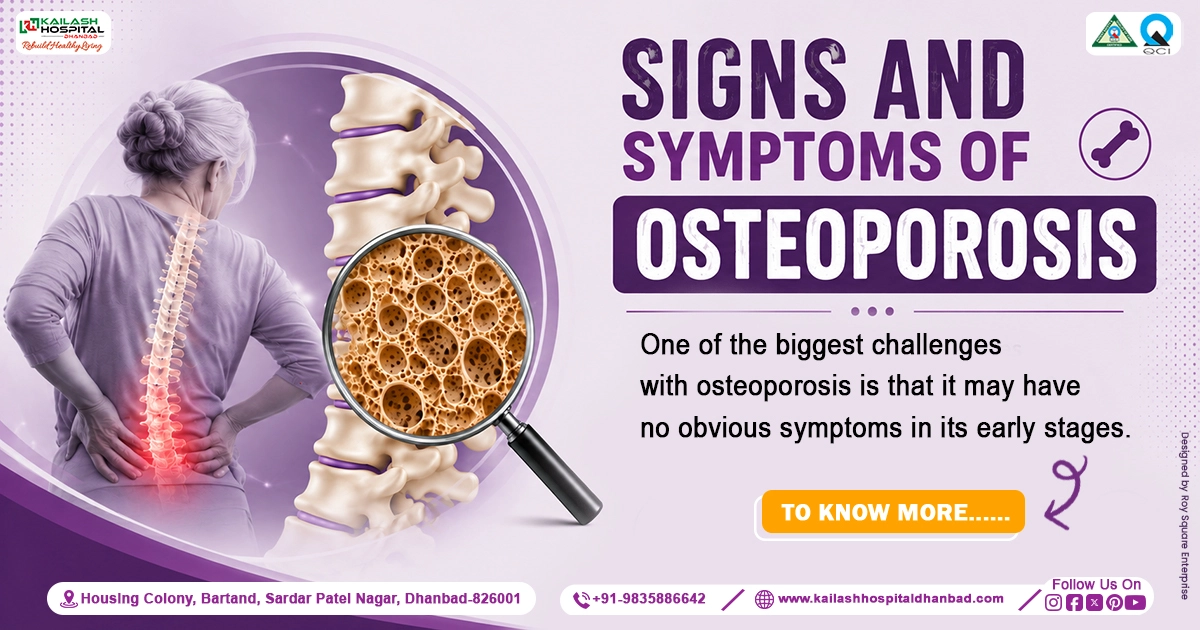
One of the biggest challenges with osteoporosis is that it may have no obvious symptoms in its early stages.
When bone loss becomes significant or a fracture occurs, symptoms may include:
Persistent back pain
A spinal compression fracture can cause sudden or persistent back pain.
Loss of height
Repeated spinal fractures can gradually result in a noticeable reduction in height.
Stooped posture
Changes in the shape of the spine may lead to a hunched or stooped posture.
Fractures after minor falls
A fracture caused by a relatively minor fall or everyday movement may indicate weakened bones.
Reduced mobility
Fractures, pain and fear of falling can make everyday activities more difficult.
If you experience unexplained back pain, repeated fractures or noticeable height loss, it is worth discussing these symptoms with a doctor.
5. How Is Osteoporosis Diagnosed?
Because osteoporosis may not cause symptoms, testing can play an important role in identifying low bone density and fracture risk.
A doctor may consider your:
- Age and medical history
- Previous fractures
- Family history
- Medication history
- Lifestyle habits
- Nutritional status
- Physical examination findings
- Risk of future fractures
Bone density test
The most commonly used test for measuring bone mineral density is a DXA or DEXA scan. It is a quick, painless and non-invasive test that commonly evaluates bone density at the hip and spine.
A bone density test can help:
- Detect low bone density
- Diagnose osteoporosis
- Estimate fracture risk
- Monitor response to treatment
Depending on the individual situation, the doctor may also recommend additional tests to look for underlying causes of bone loss.
6. Osteoporosis and Bone Fractures
The most important complication of osteoporosis is an increased risk of fractures.
Osteoporosis-related fractures commonly affect the:
- Hip
- Spine
- Wrist
A weakened bone may fracture after a fall that would not normally cause a fracture in healthy bone. Spinal fractures can also occur with relatively minor stress.
Why are osteoporosis fractures concerning?
A fracture can result in:
- Pain
- Reduced movement
- Difficulty performing daily activities
- Loss of independence
- Longer recovery
- Increased fear of falling
Hip fractures can be particularly serious because they may substantially affect mobility and independence, especially in older adults.
For this reason, osteoporosis care should focus not only on improving bone health but also on reducing the risk of falls and future fractures.
7. Osteoporosis Treatment Options
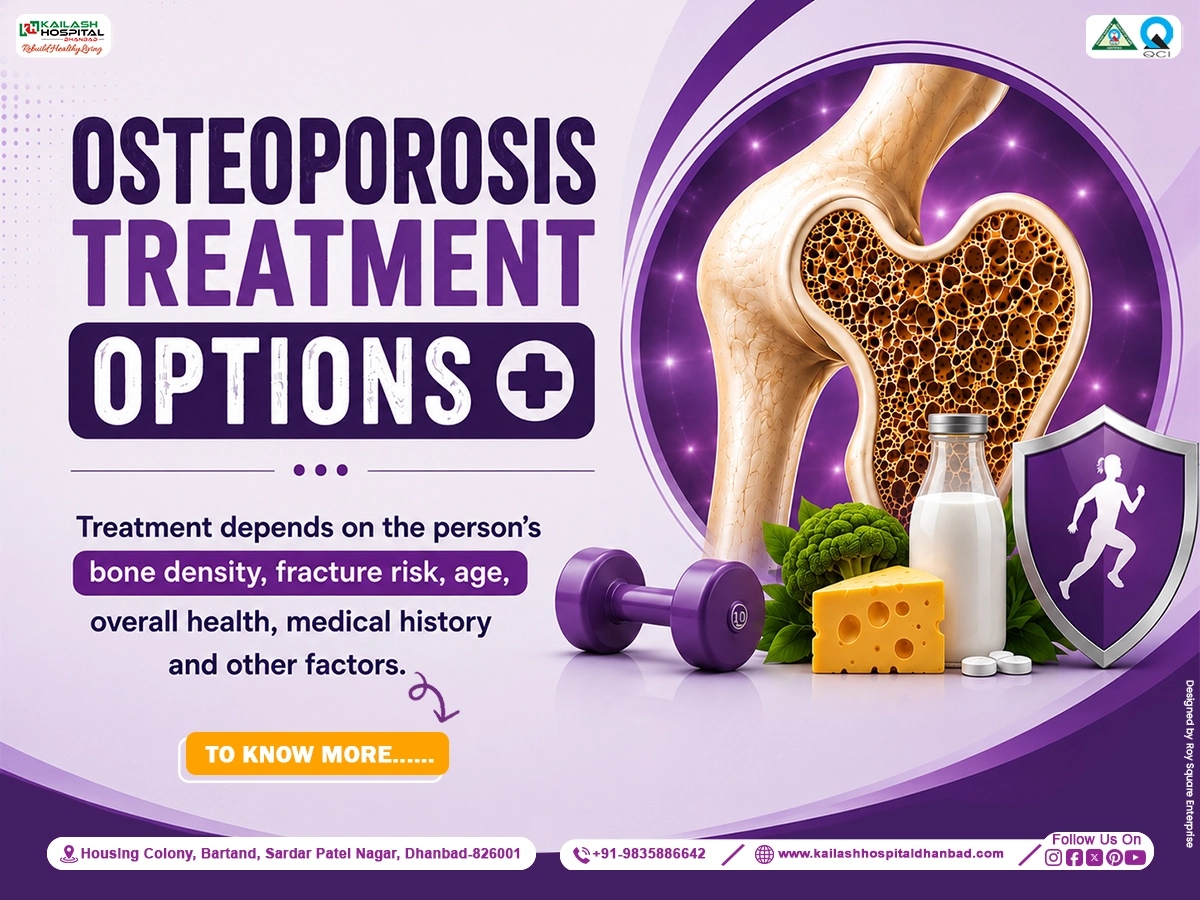
Treatment depends on the person’s bone density, fracture risk, age, overall health, medical history and other factors.
A personalised treatment plan may include the following.
1. Healthy nutrition
A balanced diet containing adequate calcium, vitamin D, protein and other essential nutrients supports overall bone health. Calcium and vitamin D supplements may be recommended for some people, but they should be used according to professional advice.
2. Regular physical activity
Weight-bearing and resistance exercises can support bone and muscle health. Balance exercises can also help reduce the risk of falls.
People with established osteoporosis or a high fracture risk should discuss exercise choices with their doctor or physiotherapist before starting a new programme.
3. Fall prevention
Simple changes can reduce the risk of falls:
- Keep floors and walking areas clear.
- Use adequate lighting.
- Wear appropriate footwear.
- Take care when using stairs.
- Review medicines that may affect balance with your doctor.
- Work on strength and balance when appropriate.
4. Prescription medicines
When fracture risk is sufficiently high, doctors may recommend osteoporosis medicines. Options can include bisphosphonates, denosumab and bone-building medicines, depending on the individual’s needs and medical circumstances.
Medication should never be started, stopped or changed without medical guidance.
5. Lifestyle changes
Avoiding smoking, limiting excessive alcohol intake and maintaining regular physical activity can support healthier bones.
For an individual treatment plan, Dr Ashish Bajaj, Consultant Orthopedic and Joint Replacement, Arthroscopy at Kailash Hospital, Dhanbad, can assess bone and musculoskeletal concerns and guide patients toward appropriate orthopedic care.
8. When Should You See a Doctor?
Do not wait for a major fracture before discussing your bone health.
Consider seeking medical advice if you have:
- A fracture after a minor fall or relatively low-impact injury
- Persistent or unexplained back pain
- Noticeable loss of height
- A stooped or hunched posture
- A strong family history of osteoporosis or hip fracture
- Multiple osteoporosis risk factors
- Long-term use of medicines known to affect bone health
- Concerns about bone density
- Difficulty walking or repeated falls
Why Choose Kailash Hospital?
Choosing the right healthcare facility is an important part of managing orthopedic and bone-related concerns.
Kailash Hospital, Dhanbad focuses on patient-centred care and provides access to medical evaluation and orthopedic services.
Patients can benefit from:
- Professional orthopedic consultation
- Assessment of bone and joint problems
- Evaluation of fracture-related concerns
- Guidance regarding appropriate diagnostic tests
- Individualised treatment planning
- Support for recovery and mobility
- Patient-focused medical care
For orthopedic consultation and joint-related concerns, Dr Ashish Bajaj, Consultant Orthopedic and Joint Replacement, Arthroscopy at Kailash Hospital, Dhanbad, provides professional orthopedic care based on the patient’s condition and treatment needs.
Conclusion
Osteoporosis may be a silent bone thinner, but its impact does not have to remain unnoticed. Because bone loss can progress without obvious symptoms, awareness of risk factors and timely medical evaluation are important parts of protecting long-term bone health.
A healthy lifestyle, adequate nutrition, regular physical activity, fall prevention and appropriate medical treatment can all contribute to reducing fracture risk. When osteoporosis is suspected or a fracture occurs after a minor injury, professional evaluation should not be delayed.
What is osteoporosis?
Osteoporosis is a condition that weakens bones and increases fracture risk.
Why is osteoporosis called a silent disease?
Because it often has no symptoms until a fracture occurs.
Can men get osteoporosis?
Yes. Osteoporosis can affect both men and women.
What are the symptoms of osteoporosis?
Fractures, back pain, height loss, and a stooped posture may occur.
How is osteoporosis diagnosed?
It is commonly diagnosed using a DXA/DEXA bone density scan.
Can osteoporosis be treated?
Yes. Treatment can strengthen bones and reduce fracture risk.
Is calcium enough to prevent osteoporosis?
No. Vitamin D, exercise, nutrition, and a healthy lifestyle are also important.
Is walking good for bones?
Yes. Walking is a weight-bearing exercise that supports bone health.
Can osteoporosis cause fractures from minor falls?
Yes. Weak bones can fracture even after minor falls or everyday stress.
When should I get checked for osteoporosis?
If you have risk factors or a low-impact fracture, talk to your doctor about screening.