





Introduction
Obesity is one of the fastest-growing health concerns worldwide, and its impact reaches far beyond weight gain. One of the most significant yet often overlooked consequences of obesity is its effect on joint health. Excess body weight puts additional strain on your bones and joints, making them more prone to pain, stiffness, degeneration, and long-term mobility issues.
At Kailash Hospital, Dhanbad, expert orthopaedic support is led by Dr. Ashish Bajaj, Consultant Orthopaedic, who has extensive experience in treating joint disorders caused by obesity, arthritis, and lifestyle factors. In this comprehensive guide, we will explore how obesity damages joints, its causes, symptoms, treatments, preventive measures, and why early intervention with specialists can significantly improve quality of life.
1. What is Obesity?
Obesity is a chronic medical condition characterized by excessive accumulation of body fat that harms health. It is typically measured using the Body Mass Index (BMI):
- BMI between 25–29.9 → Overweight
- BMI 30 or above → Obesity
Obesity increases the risk of diabetes, heart disease, hormone imbalance, metabolic disorders, and significantly impacts joint health, contributing to early degeneration.
2. How Obesity Affects Joint Health
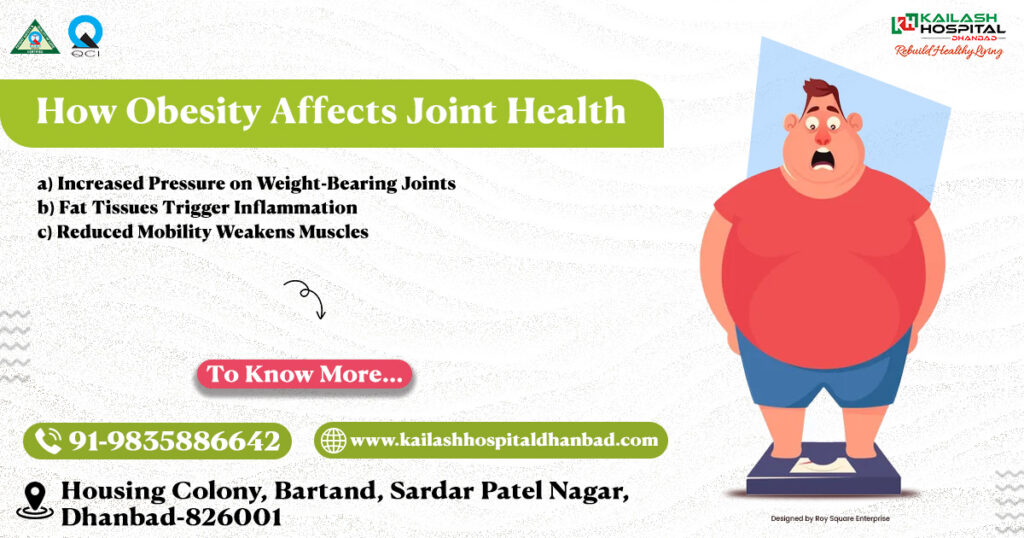
Obesity is directly linked to the deterioration of joint health. According to orthopaedic experts, excess weight accelerates wear and tear of the joints and increases the risk of inflammation, arthritis, and chronic pain.
a) Increased Pressure on Weight-Bearing Joints
Every extra kilogram of body weight adds 4 times more pressure on knee joints. This leads to:
- Early-onset osteoarthritis
- Joint stiffness
- Reduced flexibility
b) Fat Tissues Trigger Inflammation
Fat deposits release inflammatory chemicals called cytokines, which damage cartilage and increase joint pain.
c) Reduced Mobility Weakens Muscles
Obesity limits physical activity, weakening muscles that support joints, leading to instability and discomfort.
d) Accelerated Cartilage Degeneration
Overloaded joints degrade faster, making bones rub against each other and causing severe pain.
e) Increased Risk of Spine Disorders
Excess abdominal weight pulls the spine forward, causing:
- Lower back pain
- Disc herniation
- Sciatica
- Spinal degeneration
3. Types of Obesity
a) Peripheral Obesity
Fat accumulation around arms, hips, and thighs.
b) Central Obesity
Fat concentrated around the abdomen—more dangerous for heart and joints.
c) Genetic or Hereditary Obesity
Caused by genetic predisposition and family history.
d) Metabolic Obesity
Caused by hormonal issues such as thyroid disorder, PCOS, or insulin resistance.
e) Morbid Obesity
BMI above 40, significantly restricting mobility and harming joint function.
4. Causes of Obesity
Obesity results from a combination of lifestyle, genetic, and medical factors:
- Sedentary lifestyle
- High-calorie or processed food intake
- Lack of physical activity
- Hormonal imbalance
- Genetic predisposition
- Stress and emotional eating
- Poor sleep quality
- Certain medications (steroids, antidepressants)
5. Symptoms of Obesity
While obesity is visually identifiable, it also presents several hidden symptoms:
- Persistent fatigue
- Shortness of breath
- Excessive sweating
- Frequent joint pain (knees, hips, back)
- Difficulty with movement or climbing stairs
- Snoring or sleep apnoea
- Lowered stamina
- Mood fluctuations or depression
6. Risk Factors
Certain individuals have a higher risk of developing obesity and related joint disorders:
- Family history of obesity
- Desk-bound lifestyle
- Poor dietary choices
- Age above 35
- Lack of exercise
- Endocrine disorders
- Smoking
- Excessive alcohol consumption
7. Diagnosis
To assess the impact of obesity on joint health, doctor Dr. Ashish Bajaj (Orthopaedic Specialist) conduct:
a) Physical Examination
- Gait and mobility check
- Joint flexibility assessment
- Pain evaluation
b) Imaging Tests
- X-rays
- MRI
- Ultrasound scans
c) Laboratory Tests
- Inflammation markers
- Blood sugar levels
- Thyroid profile
- Lipid profile
d) BMI and Body Fat Analysis
To understand obesity severity and metabolic status.
8. Treatment Options
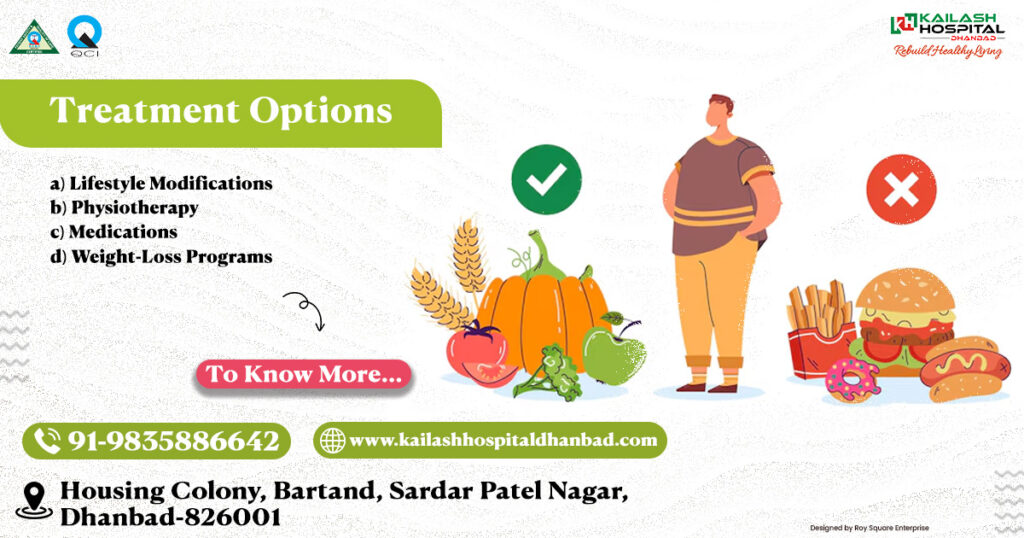
Treatment is a combination of weight management and joint care.
a) Lifestyle Modifications
- Balanced, low-calorie diet
- Increased water intake
- Reducing sugary and fried foods
- Using stairs instead of lifts
- Regular walking
b) Physiotherapy
- Muscle strengthening
- Posture correction
- Low-impact exercises
- Flexibility training
c) Medications
- Pain relievers
- Anti-inflammatory drugs
- Vitamin D and calcium supplements
d) Weight-Loss Programs
Guided weight-loss under specialists ensures safe and effective results.
e) Minimally Invasive Treatments
- Joint injections
- PRP therapy
f) Bariatric Surgery
For morbid Fatness cases where weight loss is medically necessary.
g) Orthopaedic Interventions
In severe degeneration, joint replacement surgery may be recommended by experienced surgeons.
9. Recovery
Recovery depends on weight loss, physical therapy, and overall lifestyle changes.
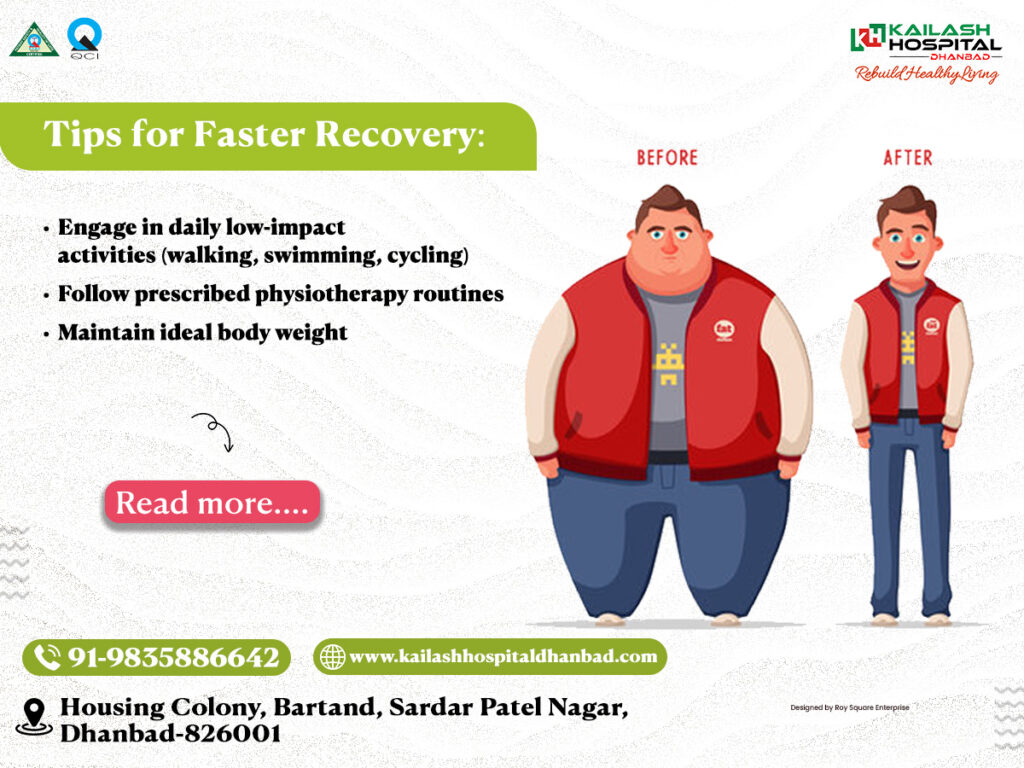
Tips for Faster Recovery:
- Engage in daily low-impact activities (walking, swimming, cycling)
- Follow prescribed physiotherapy routines
- Maintain ideal body weight
- Use joint-supportive footwear
- Follow ergonomic sitting habits
Most patients experience noticeable improvement within 4–12 weeks of following a structured plan.
10. Complications of Untreated Fatness & Joint Issues
If ignored, Fatness-related joint issues may lead to:
- Chronic osteoarthritis
- Joint deformity
- Reduced mobility
- Severe back and knee degeneration
- Permanent disability
- Increased risk of fractures
- Sleep and mental health disturbances
Early intervention is crucial to prevent long-term damage.
11. Top 10 FAQs
1. Can Fatness really cause joint damage?
Yes, excess weight puts major strain on joints, especially knees and hips.
2. Which joints are affected the most?
Knees, hips, lower back, and ankles.
3. Can weight loss reverse joint damage?
It reduces pain and slows further degeneration but cannot fully restore lost cartilage.
4. Is exercise safe for overweight individuals?
Yes—low-impact exercises are recommended.
5. Does inflammation increase joint pain?
Yes, fat cells release chemicals that worsen inflammation.
6. Are obese people more likely to develop arthritis?
Absolutely. Fatness is one of the biggest risk factors for osteoarthritis.
7. What diet helps reduce joint pain?
Anti-inflammatory foods like leafy greens, nuts, berries, and lean proteins.
8. When should I see an orthopaedic doctor?
If joint pain interferes with daily activities or persists for more than a week.
9. Can physiotherapy help?
Yes, it strengthens joints and improves mobility.
10. Can Fatness cause permanent disability?
If untreated, it may lead to long-term disability.
12. Why Choose Kailash Hospital, Dhanbad?
Kailash Hospital is a trusted name for advanced orthopaedic care with modern facilities and patient-centred services.
Key Reasons to Choose Kailash Hospital:
- Expert care from Dr. Ashish Bajaj, Consultant Orthopaedics, specializing in joint disorders and Fatness-related complications
- Advanced diagnostic tools
- Personalized treatment plans
- State-of-the-art physiotherapy and rehabilitation units
- Affordable treatment options
- Friendly staff and excellent patient support
- Focus on long-term care, prevention, and recovery
At Kailash Hospital, you receive comprehensive joint care aimed at restoring mobility and enhancing quality of life.
Conclusion
Fatness severely impacts joint health, leading to pain, limited mobility, and early degenerative changes. The good news is that with proper diagnosis, weight management, lifestyle changes, and expert guidance from specialist Dr. Ashish Bajaj at Kailash Hospital, Dhanbad, individuals can significantly reduce joint pain and regain healthy movement.
Managing your weight today protects your joints for tomorrow. Take the first step towards better mobility and a healthier life—your joints will thank you!