





Back and spine problems are becoming increasingly common due to modern lifestyle habits, long sitting hours, poor posture, and lack of physical activity. The spine is the central support structure of the body, and even minor issues can significantly affect mobility and quality of life.
This comprehensive guide explains spine care treatment in a clear, practical, and patient-friendly way—helping you understand symptoms, diagnosis, treatment options, and when to seek expert care.
1. Introduction to Spine Care Treatment
The spine is made up of vertebrae, discs, nerves, muscles, and ligaments. It supports body weight, protects the spinal cord, and allows movement such as bending and twisting.
Spine care treatment focuses on diagnosing, managing, and preventing spinal disorders through non-surgical and surgical methods. Early and proper care can prevent long-term complications and restore normal daily function.
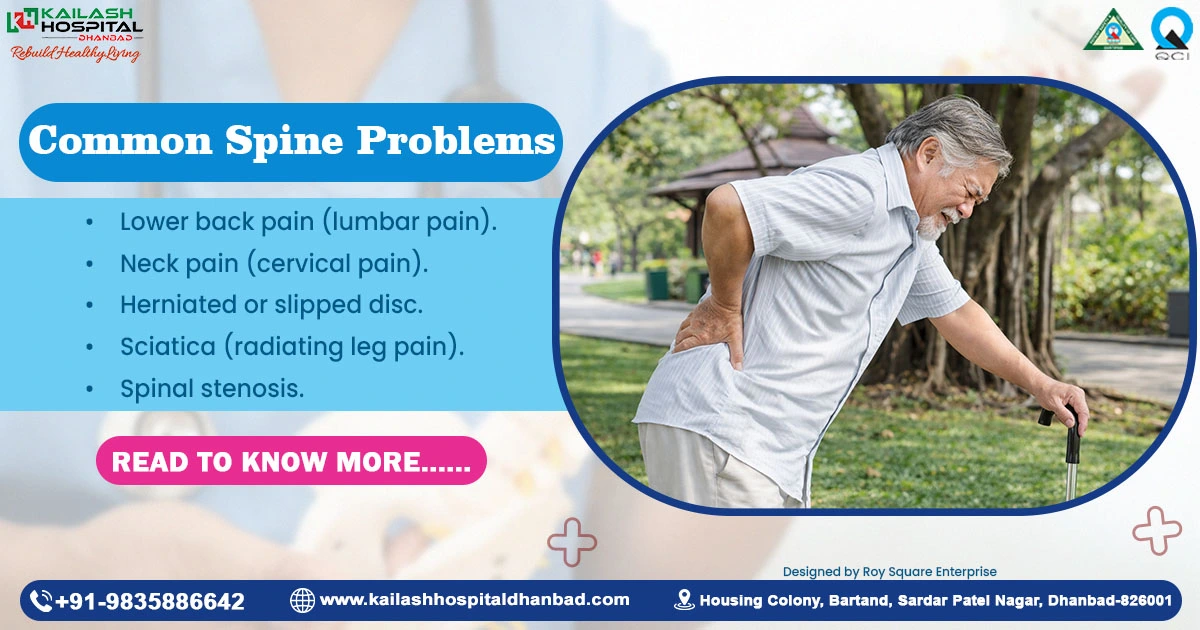
2. Common Spine Problems
Spinal conditions can range from mild discomfort to severe nerve compression. Some of the most common problems include:
- Lower back pain (lumbar pain)
- Neck pain (cervical pain)
- Herniated or slipped disc
- Sciatica (radiating leg pain)
- Spinal stenosis
- Degenerative disc disease
- Spondylosis
- Spine injuries due to trauma
Each condition requires a personalized treatment approach.
3. Causes of Spine Disorders
Spine problems can develop due to:
- Poor posture and prolonged sitting
- Heavy lifting or incorrect bending
- Obesity and sedentary lifestyle
- Sports injuries
- Age-related wear and tear
- Road accidents or trauma
- Weak core muscles
Understanding the root cause helps in selecting the right treatment plan.
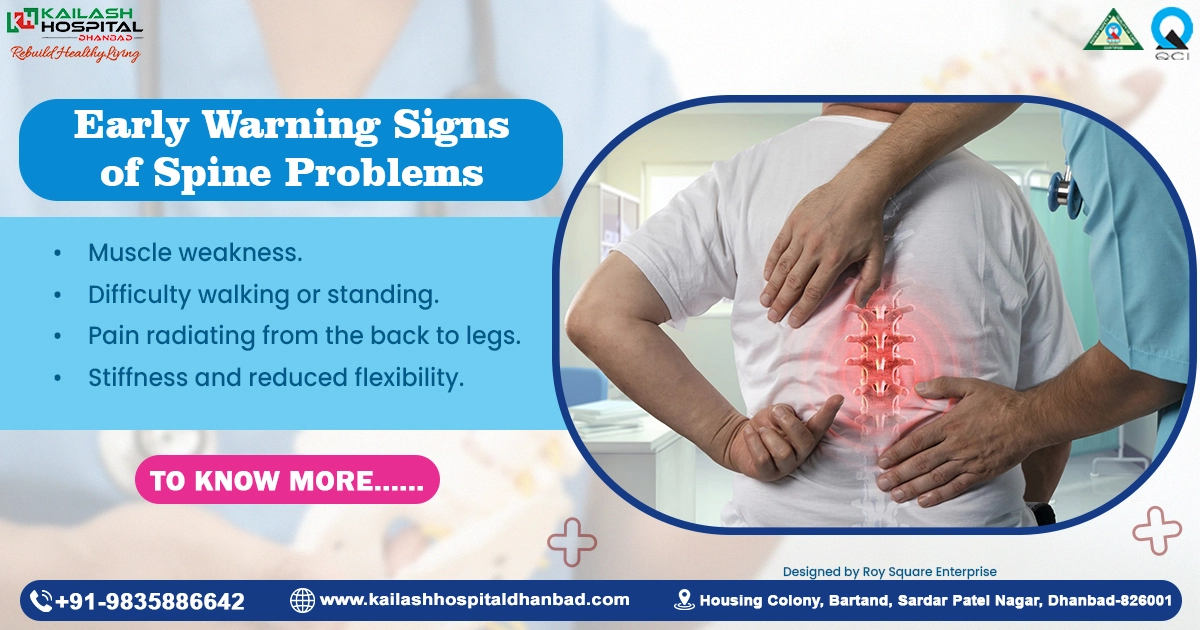
4. Early Warning Signs of Spine Problems
Early symptoms should never be ignored. Warning signs include:
- Persistent back or neck pain
- Tingling or numbness in arms or legs
- Muscle weakness
- Difficulty walking or standing
- Pain radiating from the back to legs
- Stiffness and reduced flexibility
Seeking medical advice early can prevent worsening of the condition.
5. Importance of Early Diagnosis
Timely diagnosis offers several benefits:
- Prevents permanent nerve damage
- Reduces need for surgery
- Improves treatment success rate
- Shortens recovery time
- Avoids chronic pain complications
Early evaluation by an experienced orthopedic specialist ensures accurate treatment.
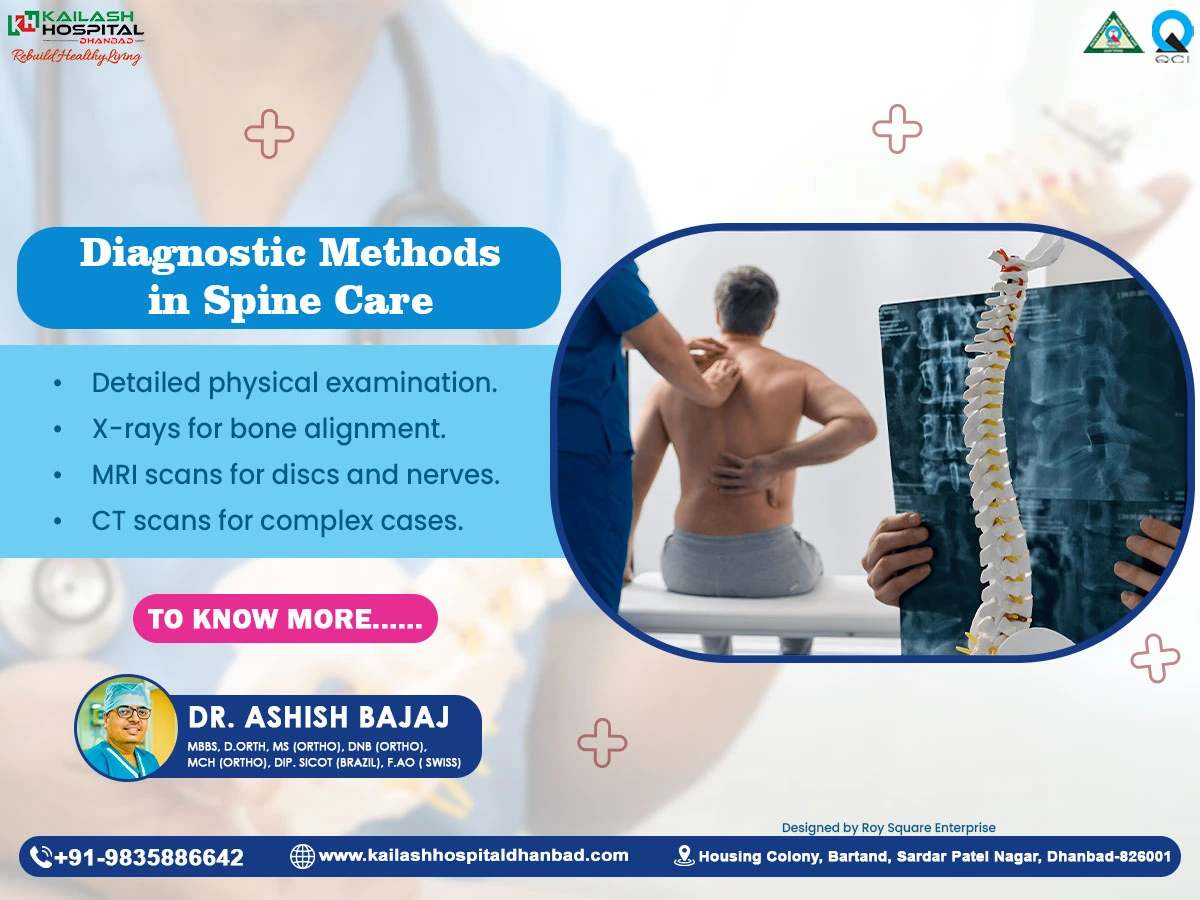
6. Diagnostic Methods in Spine Care
To identify the exact problem, doctors may recommend:
- Detailed physical examination
- X-rays for bone alignment
- MRI scans for discs and nerves
- CT scans for complex cases
- Nerve conduction studies (if required)
Accurate imaging helps design a targeted and effective treatment plan.
7. Non-Surgical Spine Care Treatments
Most spine conditions improve without surgery. Non-surgical treatments include:
- Pain-relief and anti-inflammatory medications
- Physiotherapy and guided exercises
- Posture correction therapy
- Core strengthening programs
- Epidural steroid injections
- Lifestyle modifications
Specialists like Dr. Ashish Bajaj, Consultant Orthopedic and Joint Replacement & Arthroscopy at Kailash Hospital, Dhanbad, emphasize conservative treatment first whenever possible.
8. Advanced Spine Treatment
When non-surgical treatments fail or nerve compression is severe, advanced procedures may be required:
- Minimally invasive spine surgery
- Microdiscectomy
- Endoscopic spine surgery
- Spinal fusion
- Decompression surgery
Modern techniques allow smaller incisions, reduced pain, shorter hospital stays, and faster recovery.
Under the expert guidance of Dr Ashish Bajaj, patients receive advanced spine care tailored to their condition at Kailash Hospital, Dhanbad.
9. Recovery After Spine Treatment
Recovery depends on the type of treatment performed.
Key aspects of recovery include:
- Structured physiotherapy
- Gradual return to daily activities
- Avoiding heavy lifting
- Maintaining proper posture
- Regular follow-up consultations
With proper rehabilitation, most patients regain strength and mobility within weeks to months.
10. When to Consult a Spine Specialist
Consult an orthopedic spine specialist if you experience:
- Pain lasting more than 2–3 weeks
- Severe back pain after injury
- Numbness or weakness in limbs
- Loss of bladder or bowel control (emergency)
- Difficulty walking
Early consultation with Dr. Ashish Bajaj at Kailash Hospital, Dhanbad can prevent complications and speed up recovery.
11. Why Choose Kailash Hospital
Kailash Hospital, Dhanbad offers:
- Advanced orthopedic and spine care services
- Modern diagnostic and imaging facilities
- Minimally invasive surgical techniques
- Experienced specialists like Dr. Ashish Bajaj
- Personalized treatment and rehabilitation programs
- Compassionate patient care
The hospital focuses on safe, evidence-based, and patient-centered spine treatment.
12. Conclusion
Spine health plays a vital role in maintaining mobility, independence, and overall well-being. Ignoring early symptoms can lead to long-term complications and chronic pain.
The good news is that most spine problems are treatable—especially when diagnosed early. With expert guidance from Dr. Ashish Bajaj and comprehensive care at Kailash Hospital, Dhanbad, patients can confidently move toward a stronger, healthier, and pain-free life.
1. Can back pain heal without surgery?
Yes, most cases improve with non-surgical treatment.
2. How long does spine pain recovery take?
It varies from a few weeks to several months depending on severity.
3. Is spine surgery safe?
Modern minimally invasive spine surgeries are safe when performed by experienced specialists.
4. What is sciatica?
Sciatica is nerve pain that radiates from the lower back to the leg.
5. Can poor posture cause spine problems?
Yes, long-term poor posture can strain the spine.
6. Is physiotherapy effective for spine care?
Yes, physiotherapy strengthens muscles and reduces pain.
7. When is surgery necessary?
When nerve compression is severe or conservative treatment fails.
8. Can spine problems return after treatment?
They can recur if posture and lifestyle habits are not improved.
9. Are MRI scans always required?
Not always, but they are useful for detecting disc and nerve issues.
10. How can I prevent spine problems?
Maintain healthy weight, exercise regularly, and practice good posture.