





Introduction
Hormonal changes can affect women at different stages of life. While menopause usually occurs between the ages of 45 and 55, some women may experience menopause-related symptoms before 40. Recognising these changes early can help women understand their health and seek the right medical advice.
Perimenopause before 40 may involve irregular periods, hot flashes, mood changes, sleep problems and other symptoms. However, these signs can also be linked to other health conditions, so proper medical evaluation is important.
In this guide, we will explore the early signs, causes, diagnosis and treatment options for perimenopause before 40, along with advice on when to consult a gynaecologist.
Table of Contents
1. What Is Perimenopause?
Perimenopause is the transitional stage before menopause when ovarian function and hormone levels, particularly oestrogen, begin to change. These hormonal fluctuations can affect menstrual cycles, sleep, mood and overall well-being.
Perimenopause commonly begins in the 40s, but menopause-related symptoms or changes in ovarian function can occur earlier in some women.
It is important to distinguish between perimenopause and premature ovarian insufficiency (POI). POI occurs when the ovaries stop functioning normally before age 40 and may lead to irregular or absent periods and reduced fertility. A doctor can help determine the underlying cause.
2. What Are the Early Signs of Perimenopause Before 40?
The symptoms of early hormonal changes can vary from woman to woman. Some women notice menstrual changes first, while others experience sleep disturbances or mood changes.
Common signs include:
1. Irregular Periods
Periods may become shorter, longer, lighter or heavier than usual. Repeated changes in the menstrual cycle should be discussed with a healthcare professional.
2. Hot Flashes and Night Sweats
A sudden feeling of warmth, sweating or flushing may occur during the day or night and can interfere with sleep.
3. Mood Swings and Anxiety
Hormonal fluctuations may contribute to irritability, anxiety or changes in mood.
4. Sleep Problems
Some women experience difficulty falling asleep, waking frequently during the night or feeling tired during the day.
5. Vaginal Dryness
Changes in oestrogen levels can cause vaginal dryness, irritation or discomfort during sexual activity.
6. Reduced Sexual Desire
Changes in hormones, sleep, mood and physical comfort may affect sexual desire.
7. Brain Fog and Difficulty Concentrating
Some women report forgetfulness or difficulty concentrating, particularly when sleep is disrupted.
8. Changes in Menstrual Flow
Bleeding may become heavier or lighter than usual. Unusually heavy or prolonged bleeding requires medical assessment.
Not every woman will experience all these symptoms. Similar symptoms may also occur due to thyroid problems, anaemia, pregnancy or other medical conditions.
3. What Causes Perimenopause Before 40?
Perimenopause-like symptoms before age 40 can have several possible causes. These include:
- Changes in ovarian function: Changes in ovarian hormone production can affect menstrual cycles and other bodily functions.
- Family history: Genetic factors may influence when menopause-related changes begin.
- Medical treatments: Chemotherapy, radiation therapy and certain other treatments may affect ovarian function.
- Ovarian surgery: Some surgeries involving the ovaries can affect hormone production.
- Premature ovarian insufficiency (POI): This condition causes reduced ovarian function before age 40 and may have genetic, autoimmune, treatment-related or unexplained causes.
In many cases, the exact cause of early ovarian changes is not identified. Experiencing one or two symptoms does not automatically mean that a woman is entering perimenopause.

4. How Is Perimenopause Before 40 Diagnosed?
Diagnosis begins with a review of symptoms, menstrual history and medical background. Because hormonal changes before 40 deserve careful evaluation, a gynaecologist may recommend appropriate investigations.
Common steps include:
- Medical history: Discussing period patterns, symptoms, medications and family history.
- Physical assessment: Evaluating symptoms and overall reproductive health.
- Blood tests: Hormone tests, including follicle-stimulating hormone (FSH), may be recommended when POI is suspected.
- Additional investigations: Thyroid function tests, pregnancy testing or other investigations may be needed to rule out alternative causes.
No single test is appropriate for every woman, and hormone levels can fluctuate. A healthcare professional should interpret the results alongside symptoms and medical history.
For women experiencing persistent menstrual changes before 40, consulting an experienced gynaecologist can help identify the cause and determine the next steps.
5. What Treatment Options Are Available?
Treatment depends on the underlying cause, symptoms, medical history and whether pregnancy is desired.
Hormone Therapy
Hormone therapy may be recommended for certain women with premature ovarian insufficiency, unless contraindicated. The doctor will discuss the benefits, risks and appropriate duration.
Non-Hormonal Treatments
Specific medicines or other approaches may help manage symptoms when hormone therapy is unsuitable or not preferred.
Healthy Lifestyle Habits
Simple daily habits can support overall health:
- Eat a balanced diet rich in calcium and vitamin D.
- Exercise regularly, including weight-bearing activities.
- Maintain a consistent sleep routine.
- Avoid smoking and limit alcohol.
- Practise stress-management techniques such as yoga or meditation.
Vaginal Health Support
Vaginal moisturisers and lubricants may help relieve dryness and discomfort. Persistent symptoms should be evaluated by a doctor.
Fertility Counselling
Early ovarian changes can affect fertility, but the impact varies. Women who wish to conceive should discuss fertility assessment and available options with a specialist.
Dr. Neha Bajaj, Consultant Gynaecologist and Obstetrician and Fertility Specialist at Kailash Hospital, Dhanbad, can be consulted for appropriate evaluation and guidance regarding menstrual changes, hormonal concerns and reproductive health.
6. Can Stress Cause Symptoms Similar to Perimenopause?
Yes. Stress can contribute to irregular periods, sleep disturbances, anxiety, mood changes and fatigue. However, these symptoms are not specific to stress and may have other causes.
Prolonged stress can affect the hormonal signals that regulate the menstrual cycle. Other conditions, including thyroid disorders and premature ovarian insufficiency, can produce similar symptoms.
To support your well-being, try to maintain a regular sleep schedule, exercise moderately, eat balanced meals and make time for relaxation.
If symptoms persist, periods stop unexpectedly or you experience repeated menstrual changes before age 40, consult a gynaecologist instead of assuming stress is the only cause.
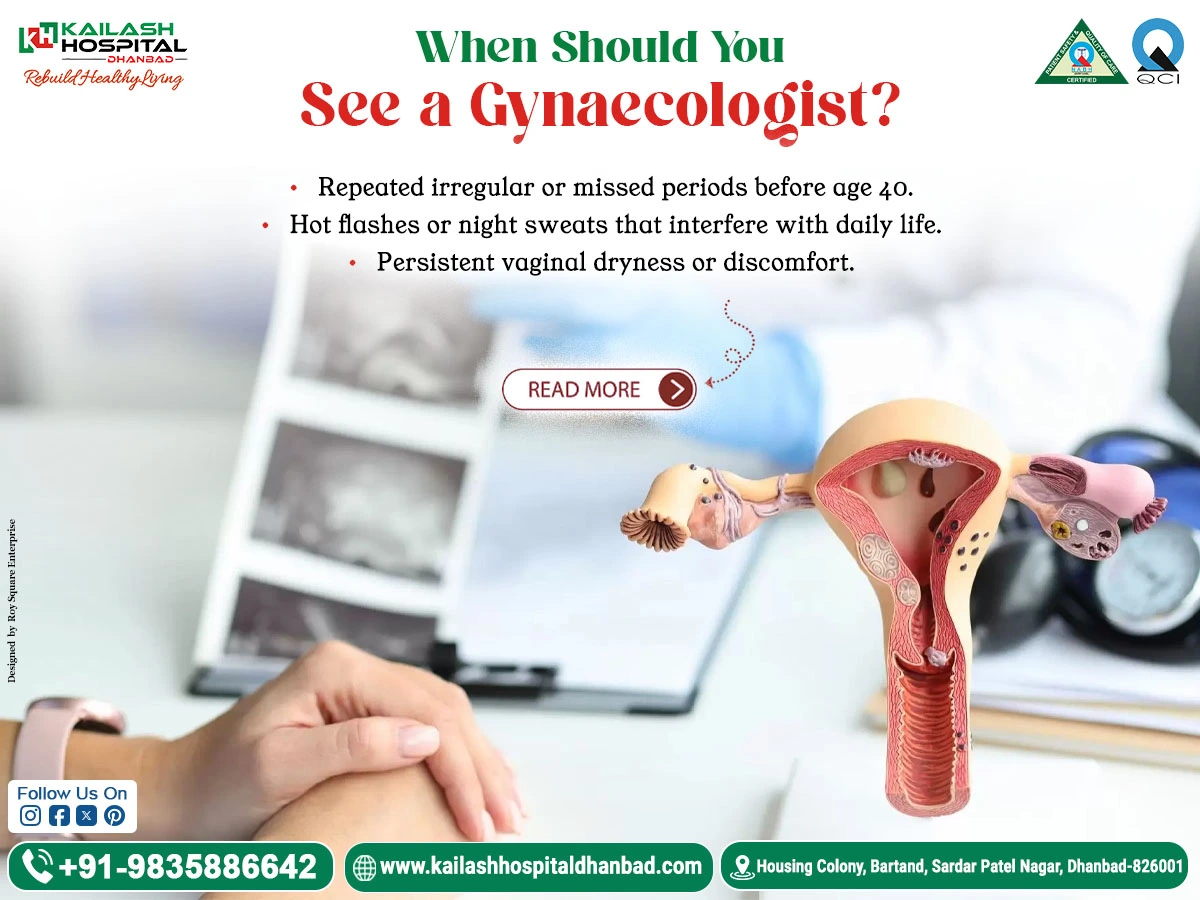
7. When Should You See a Gynaecologist?
You should seek medical advice if you notice:
- Repeated irregular or missed periods before age 40.
- Hot flashes or night sweats that interfere with daily life.
- Persistent vaginal dryness or discomfort.
- Ongoing mood changes or sleep problems.
- Difficulty conceiving or concerns about fertility.
- Periods that become unusually heavy or prolonged.
Seek urgent medical attention for very heavy bleeding accompanied by dizziness or fainting, severe pelvic pain, or possible pregnancy with pain or bleeding.
Early assessment can help identify treatable conditions and guide decisions about fertility, bone health and long-term well-being.
For personalised advice, women can consult Dr. Neha Bajaj at Kailash Hospital, Dhanbad, for an evaluation based on their symptoms and individual health needs.
9. Conclusion
Perimenopause-related symptoms before 40 can be confusing, especially when they affect periods, sleep, mood or fertility. However, these changes should not automatically be attributed to menopause. Premature ovarian insufficiency and other medical conditions may require specific evaluation and care.
Pay attention to changes in your body, track your menstrual cycle and seek professional guidance when symptoms persist. With timely assessment and an appropriate care plan, you can make informed decisions about your reproductive and long-term health.
1. Can perimenopause start before age 40?
Yes, but symptoms before 40 require medical evaluation to identify the cause.
2. What is the first sign of perimenopause before 40?
Changes in menstrual regularity are common, although symptoms vary between women.
3. Can irregular periods indicate early menopause?
Yes, but irregular periods can also result from pregnancy, stress, thyroid disorders and other conditions.
4. Can perimenopause cause mood swings?
Hormonal fluctuations may contribute to mood changes, irritability and anxiety.
5. Is perimenopause before 40 the same as premature menopause?
No, perimenopause is a transition, while menopause before 40 is considered premature.
6. Can early hormonal changes affect fertility?
Yes, certain ovarian conditions can reduce fertility, but the effect varies from person to person.
7. Which tests help identify premature ovarian insufficiency?
A doctor may recommend FSH testing and other investigations based on symptoms and medical history.
8. Can stress cause symptoms similar to perimenopause?
Yes, stress can affect periods, sleep and mood, but persistent symptoms need assessment.
9. Is treatment available for perimenopause before 40?
Yes, treatment depends on the diagnosis, symptoms, medical history and fertility goals.
10. When should I consult a gynaecologist?
Seek advice for persistent menstrual changes or menopause-like symptoms before age 40.