





1. Introduction: Understanding Endometriosis
The symptoms are mild, while others experience severe pain that interferes with work, studies, relationships or daily activities. The condition may also affect fertility.
One of the biggest challenges is that endometriosis symptoms can sometimes be mistaken for “normal” period problems. Recognizing the early signs of endometriosis can encourage women to seek medical advice sooner.
Dr. Neha Bajaj, Consultant Gynaecologist and Obstetrician and Fertility Specialist, recommends paying attention to persistent or unusual menstrual and pelvic symptoms rather than simply tolerating them.
2. Early Signs of Endometriosis
Here are eight important signs that should not be overlooked.
1. Severe Period Pain
Mild menstrual discomfort can be common, but intense cramps that interfere with your normal activities may need medical evaluation. Endometriosis can cause significant pain before, during or after menstruation.
2. Chronic Pelvic Pain
Persistent pain in the lower abdomen or pelvis, especially pain that continues outside your period, can be an important warning sign.
3. Heavy or Abnormal Periods
Very heavy menstrual bleeding or periods that last longer than usual may occur in women with endometriosis. Sudden changes in your usual menstrual pattern should be discussed with a gynecologist.
4. Pain During or After Sex
Deep pelvic pain during or after sexual intercourse can sometimes be associated with endometriosis. It should not be dismissed if it happens repeatedly.
5. Painful Bowel Movements
Some women experience pain while passing stool, particularly around their periods. Bowel-related symptoms may also include constipation, diarrhea or abdominal discomfort.
6. Painful Urination
Pain or discomfort while urinating, particularly during menstruation, can occur when endometrial-like tissue affects areas around the bladder or urinary tract.
7. Bloating and Digestive Problems
Some women report abdominal bloating, cramping, constipation, diarrhea or other digestive complaints. These symptoms may become more noticeable around menstruation.
8. Difficulty Getting Pregnant
Endometriosis can sometimes affect fertility. Difficulty conceiving does not necessarily mean you have endometriosis, but it can be one reason a doctor investigates the condition.
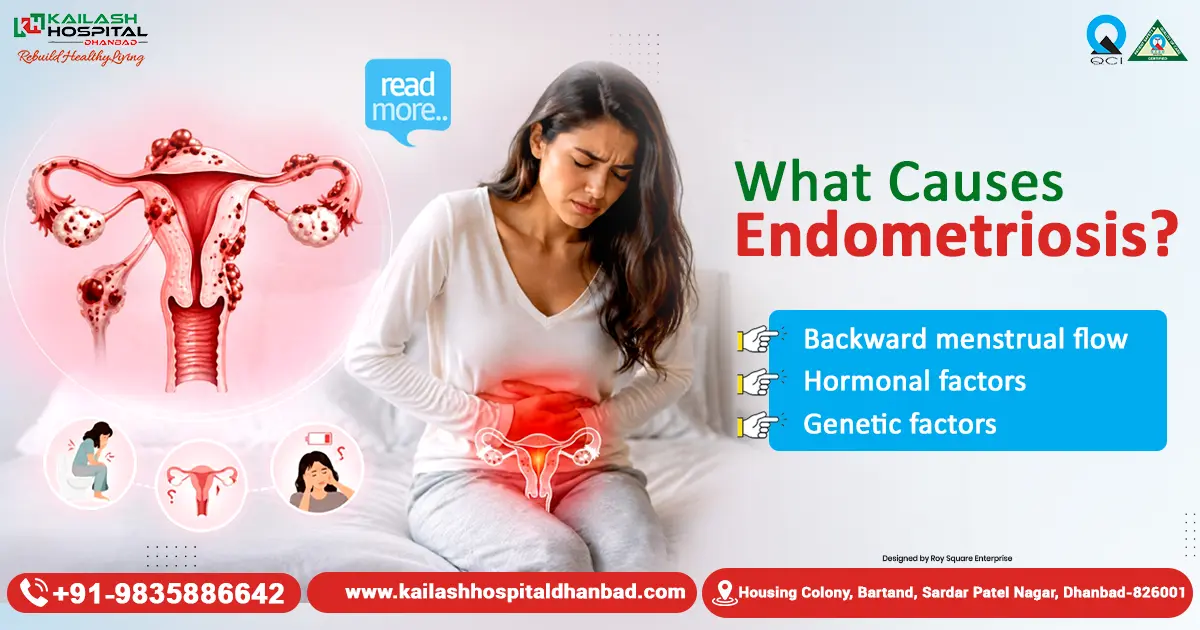
3. What Causes Endometriosis?
Several theories and factors may play a role, including:
- Backward menstrual flow: Menstrual blood may flow backward through the fallopian tubes into the pelvic area.
- Hormonal factors: Estrogen can encourage the growth of endometrial-like tissue.
- Genetic factors: Having a close family member with endometriosis may increase risk.
- Immune system factors: Changes in immune responses may contribute to the development of the condition.
- Cellular changes: Certain cells outside the uterus may transform into tissue similar to the uterine lining.
Endometriosis is not caused by one single factor, and having one risk factor does not mean a woman will definitely develop it.
4. How Is Endometriosis Diagnosed?
Diagnosing endometriosis can sometimes take time because its symptoms overlap with other conditions.
A gynecologist may begin with:
- Medical history: Your menstrual pattern, pain, fertility history and other symptoms are discussed.
- Pelvic examination: The doctor may check for tenderness or other abnormalities.
- Ultrasound: Imaging can help identify ovarian cysts such as endometriomas and other pelvic abnormalities.
- MRI: In selected cases, MRI may provide more detailed images of pelvic structures.
- Laparoscopy: In certain situations, minimally invasive surgery may be used to confirm and assess endometriosis.
A proper evaluation is important because treatment depends on the symptoms, severity and individual reproductive goals.
5. Lifestyle Tips for Managing Symptoms
Lifestyle changes cannot cure endometriosis, but healthy habits may help some women manage symptoms and improve overall well-being.
Maintain Regular Physical Activity
Walking, stretching, yoga or other suitable exercises may help with general fitness and stress management.
Follow a Balanced Diet
Include vegetables, fruits, whole grains, lean proteins and healthy fats. If certain foods worsen your symptoms, keep a food diary to identify possible patterns.
Prioritize Sleep
Poor sleep can make it harder to cope with chronic pain. Aim for a consistent sleep routine.
Manage Stress
Breathing exercises, meditation and relaxation techniques can support emotional well-being.
Track Your Symptoms
Record your periods, pain levels, bleeding and other symptoms.
6. Treatment Options for Endometriosis
Treatment is individualized. Your doctor may consider your symptoms, age, overall health and whether you are planning pregnancy.
Pain Relief
Over-the-counter or prescription medicines may be recommended to help control pain.
Hormonal Treatment
Hormonal medicines can reduce or suppress menstrual cycles and may help control endometriosis-related symptoms.
Surgical Treatment
Laparoscopic surgery may be considered in selected patients to remove endometriosis lesions or treat endometriomas.
Fertility Treatment
Women experiencing infertility may need fertility evaluation and, depending on their circumstances, treatments such as ovulation assistance, intrauterine insemination or IVF.
Dr. Neha Bajaj, Consultant Gynaecologist and Obstetrician and Fertility Specialist, can help women understand available options based on their symptoms and fertility plans.
For women seeking gynecological and fertility care, Kailash Hospital, Dhanbad provides access to specialist medical care and evaluation.
7. When Should You See a Gynecologist?
Do not ignore symptoms simply because they occur around your period. Consider consulting a gynecologist if you experience:
- Persistent pelvic pain
- Very heavy or prolonged periods
- Pain during intercourse
- Pain while passing stool or urine during periods
- Repeated bloating or digestive symptoms associated with menstruation
- Difficulty becoming pregnant
- Symptoms that are becoming progressively worse
Early evaluation can help identify the cause of your symptoms and guide appropriate treatment.
Conclusion
Endometriosis can be difficult to recognize because its symptoms may look like ordinary menstrual problems. Severe period pain, chronic pelvic pain, heavy bleeding, painful intercourse, digestive symptoms and fertility difficulties are among the important signs worth discussing with a doctor.
You do not have to simply accept severe period pain as a normal part of being a woman. A timely gynecological evaluation can help identify the underlying cause and provide an appropriate treatment plan.
If you are experiencing symptoms suggestive of endometriosis, consult a qualified specialist. Kailash Hospital, Dhanbad offers gynecological care for women seeking professional evaluation and treatment.
1. What are the early signs of endometriosis?
Common signs include severe period pain, pelvic pain, heavy bleeding, painful intercourse, painful bowel movements, painful urination, bloating and difficulty conceiving.
2. Is severe period pain always endometriosis?
No. Several conditions can cause painful periods. However, severe or persistent pain deserves medical evaluation.
3. Can endometriosis cause infertility?
Yes, endometriosis can affect fertility in some women, although many women with the condition can become pregnant.
4. Can endometriosis cause irregular periods?
Endometriosis does not always cause irregular cycles, but some women may experience changes in bleeding patterns.
5. Can endometriosis be cured permanently?
There is currently no guaranteed permanent cure for everyone. However, treatments can help control symptoms and manage the condition.
6. Does endometriosis always cause pain?
No. Some women may have endometriosis with few or no noticeable symptoms.
7. Can endometriosis return after treatment?
Yes. Symptoms can return in some women after treatment, so ongoing follow-up may be recommended.
8. Is endometriosis dangerous?
Endometriosis is not usually life-threatening, but it can significantly affect quality of life, fertility and emotional well-being.
9. When should I see a gynecologist for period pain?
If your period pain is severe, persistent, worsening or interfering with your normal activities, speak with a gynecologist.
10. Can lifestyle changes treat endometriosis?
Healthy lifestyle habits may help manage symptoms and improve overall well-being, but they should not replace appropriate medical treatment.