




Pregnancy is a special journey, but some conditions require extra care and monitoring. Obstetric cholestasis is one such condition that needs timely diagnosis and proper medical supervision. The encouraging news is that with early detection and expert care, most women have safe pregnancies and healthy babies.
This guide explains obstetric cholestasis in a clear, easy-to-understand, and patient-friendly way to help expecting mothers stay informed and confident.
1. What Is Obstetric Cholestasis?
Obstetric cholestasis, also known as intrahepatic cholestasis of pregnancy, is a liver condition that occurs during pregnancy. It affects the normal flow of bile acids in the body, leading to a buildup of bile salts in the bloodstream.
This condition usually develops in the second or third trimester and often improves after delivery. The most noticeable symptom is intense itching without a rash, especially on the palms and soles.
Early diagnosis is important because proper monitoring helps reduce risks to both mother and baby.
2. Why Obstetric Cholestasis Occurs
The exact cause is not always clear, but several factors are known to contribute:
- Pregnancy hormones affecting liver function
- Genetic tendency in some families
- Sensitivity of the liver to estrogen
- Previous history of cholestasis in pregnancy
- Multiple pregnancy (twins or more)
Hormonal changes play a major role, which is why the condition typically appears later in pregnancy.
3. Common Symptoms to Watch For
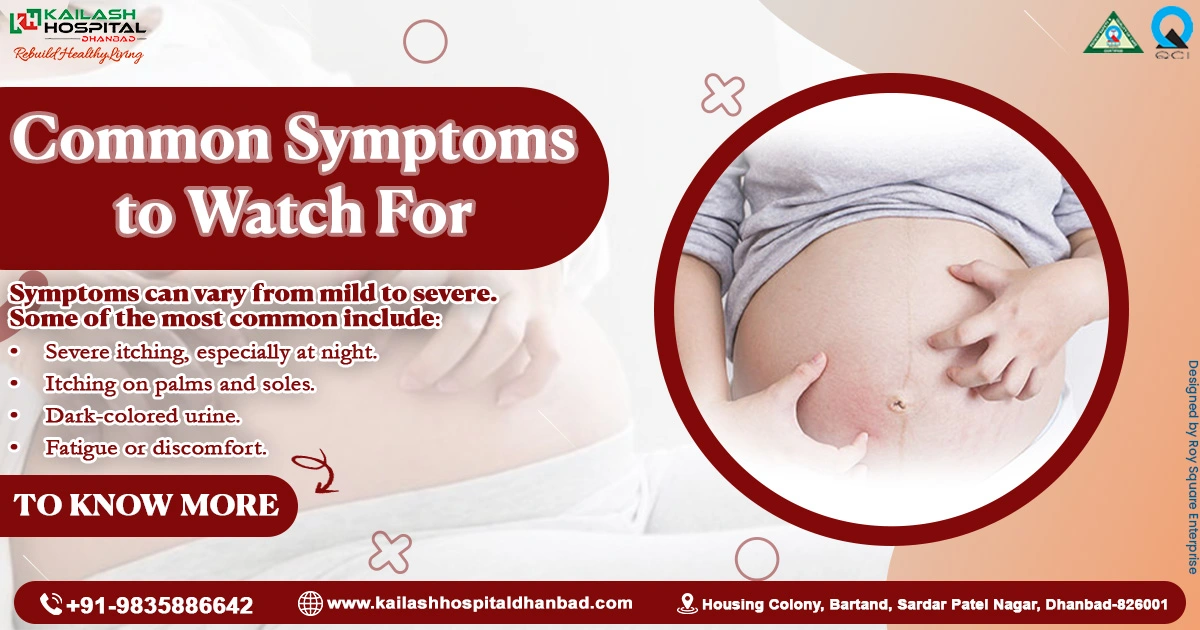
Symptoms can vary from mild to severe. Some of the most common include:
- Severe itching, especially at night
- Itching on palms and soles
- Dark-colored urine
- Fatigue or discomfort
- Difficulty sleeping due to itching
- Occasionally mild jaundice in rare cases
Any persistent itching during pregnancy should always be reported to a doctor.
4. Risk Factors of Obstetric Cholestasis
Some women are more likely to develop this condition, including those who:
- Have had cholestasis in a previous pregnancy
- Have a family history of liver disorders
- Are carrying twins or multiple babies
- Have underlying liver problems
- Undergo IVF or assisted conception
Understanding these risk factors helps in early screening and prevention of complications.
5. How Obstetric Cholestasis Is Diagnosed
Diagnosis is simple and safe during pregnancy. Doctors usually recommend:
- Liver function tests (LFT)
- Serum bile acid test
- Physical examination and symptom assessment
- Regular antenatal monitoring
These tests help determine the severity and guide treatment decisions.
Under the guidance of Dr. Neha Bajaj, careful monitoring and timely investigations help in early diagnosis and better pregnancy outcomes.
6. Possible Risks and Complications
If not monitored properly, obstetric cholestasis may increase certain risks such as:
- Preterm delivery
- Fetal distress
- Meconium-stained amniotic fluid
- Increased chances of early induction
- Maternal discomfort and sleep disturbance
With modern medical care and regular follow-ups, these risks can be significantly reduced.
7. Treatment Options for Obstetric Cholestasis
Treatment focuses on controlling symptoms and monitoring the baby’s health.
Common approaches include:
- Medications to reduce bile acid levels
- Anti-itch treatment for comfort
- Regular fetal monitoring
- Blood tests to track liver function
- Planned delivery when necessary
At Kailash Hospital, Dhanbad, treatment plans are personalized based on the mother’s condition, gestational age, and overall pregnancy health.
Specialists ensure both maternal safety and fetal well-being throughout the treatment process.
8. Importance of Regular Antenatal Care
Regular antenatal visits are essential in managing high-risk conditions like obstetric cholestasis.
Benefits of regular monitoring include:
- Early detection of complications
- Regular fetal assessment
- Timely medication adjustments
- Emotional reassurance for mothers
According to Dr. Neha Bajaj, routine checkups allow doctors to closely observe both maternal liver function and fetal growth, ensuring safer outcomes.
Many patients receiving antenatal care at Kailash Hospital, Dhanbad benefit from structured monitoring and individualized care plans.
9. Delivery Planning in Obstetric Cholestasis
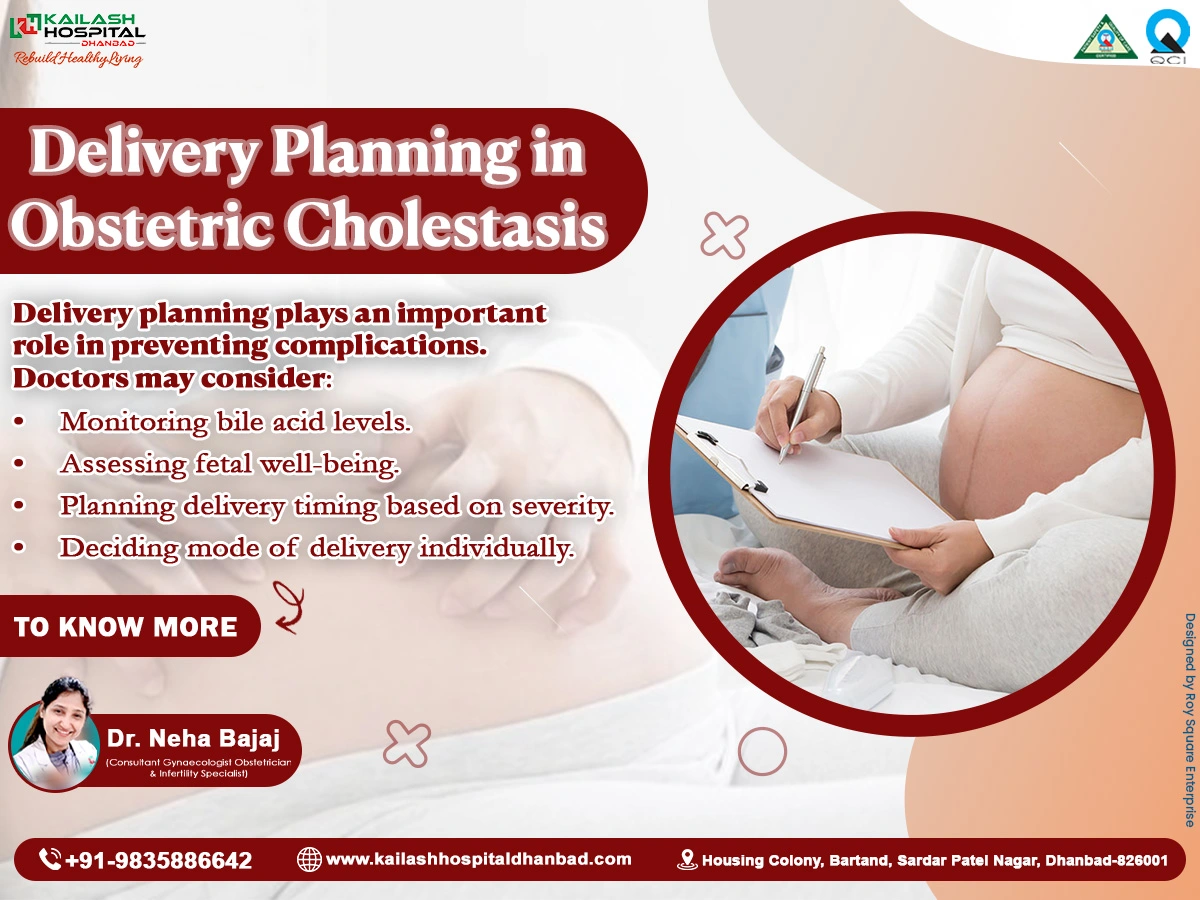
Delivery planning plays an important role in preventing complications.
Doctors may consider:
- Monitoring bile acid levels
- Assessing fetal well-being
- Planning delivery timing based on severity
- Deciding mode of delivery individually
In some cases, early delivery may be recommended to reduce risks to the baby.
Proper coordination between obstetricians and pediatric teams ensures a smooth and safe delivery.
10. Recovery After Delivery
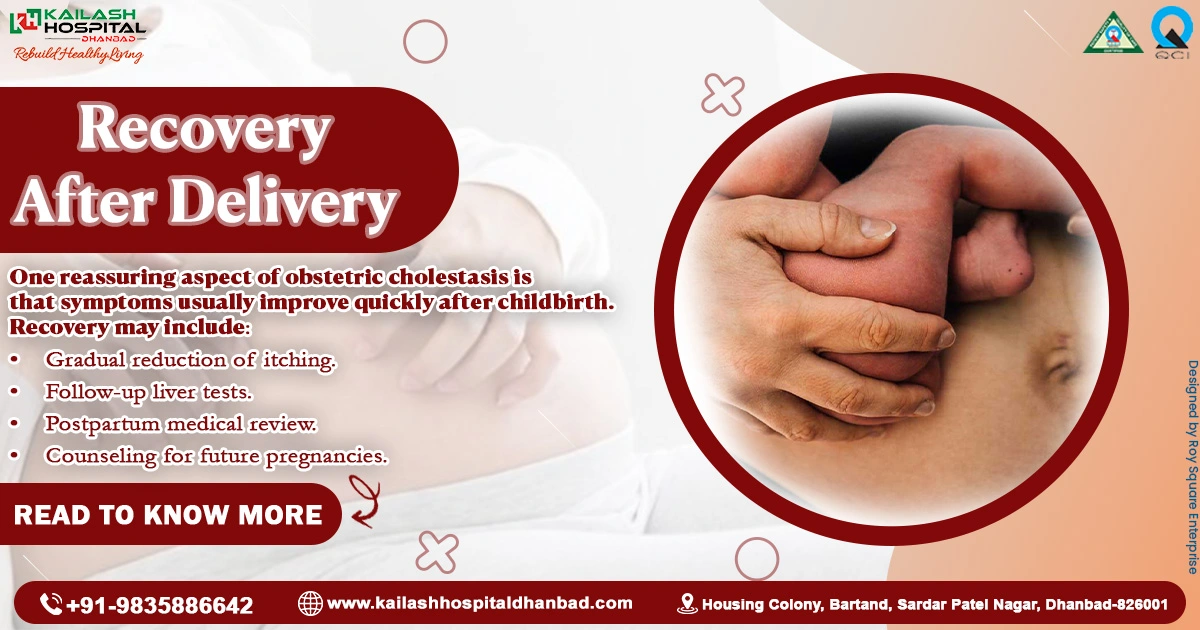
One reassuring aspect of obstetric cholestasis is that symptoms usually improve quickly after childbirth.
Recovery may include:
- Gradual reduction of itching
- Follow-up liver tests
- Postpartum medical review
- Counseling for future pregnancies
Most women recover completely, though monitoring in future pregnancies is advised.
11. Prevention and Precautions
While obstetric cholestasis cannot always be prevented, certain steps can help in early detection and management:
- Attend regular prenatal checkups
- Report itching early
- Maintain a balanced diet
- Stay hydrated
- Follow medical advice strictly
- Avoid self-medication
Early reporting of symptoms remains the most important preventive step.
Conclusion
Obstetric cholestasis can feel worrying, but it is a manageable condition when detected early. With proper medical care, regular monitoring, and timely delivery planning, most mothers go on to have safe pregnancies and healthy babies.
Guidance from experienced specialists like Dr. Neha Bajaj and comprehensive antenatal support at Kailash Hospital, Dhanbad provide reassurance, expert care, and the best possible outcomes for both mother and child.
1. What is obstetric cholestasis?
It is a liver condition in pregnancy that causes bile acids to build up in the blood, leading to severe itching.
2. When does obstetric cholestasis usually occur?
It most commonly develops in the second or third trimester of pregnancy.
3. What is the main symptom of obstetric cholestasis?
The most common symptom is intense itching, especially on the palms and soles, often worse at night.
4. Is obstetric cholestasis dangerous for the baby?
It can increase certain risks, but with regular monitoring and timely treatment, most pregnancies have safe outcomes.
5. How is obstetric cholestasis diagnosed?
Doctors usually diagnose it through blood tests that check liver function and bile acid levels.
6. Can obstetric cholestasis be treated?
Yes. Treatment includes medication, monitoring of bile acids, and regular fetal check-ups.
7. Will the itching stop after delivery?
In most cases, itching improves within a few days after childbirth.
8. Can obstetric cholestasis occur again in future pregnancies?
Yes, women who have had it once may have a higher chance of developing it again.
9. Does obstetric cholestasis always require early delivery?
Not always, but doctors may recommend early delivery depending on bile acid levels and the baby’s condition.
10. When should I contact a doctor?
You should contact your doctor if you experience persistent itching, dark urine, or any unusual symptoms during pregnancy.