




Introduction
Pregnancy is a life-changing journey filled with hope and anticipation. However, for some women, pregnancy may require extra care due to certain medical or lifestyle factors. This is known as a high-risk pregnancy. While the term may sound alarming, the reality is far more reassuring when the right medical support is in place.
At Kailash Hospital, Dhanbad, expecting mothers receive compassionate and specialised care under the guidance of Dr. Neha Bajaj, Consultant Gynaecologist, Obstetrician, and Fertility Specialist. With timely diagnosis and personalised care, many women with high-risk pregnancies go on to have safe deliveries and healthy babies.
This guide aims to empower you with clear, reliable information so you can approach your pregnancy journey with confidence and calm.
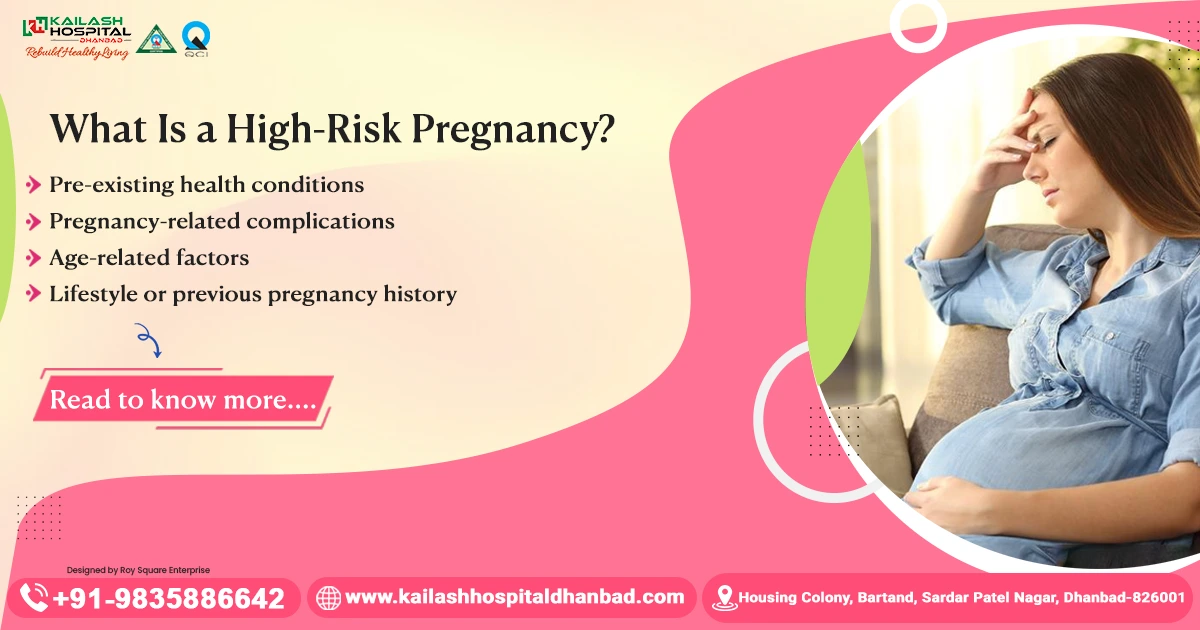
1. What Is a High-Risk Pregnancy?
A high-risk pregnancy is one where the mother, baby, or both are at a higher-than-average risk of health complications during pregnancy, delivery, or after birth.
A pregnancy may be labelled high-risk due to:
Pre-existing health conditions
Pregnancy-related complications
Age-related factors
Lifestyle or previous pregnancy history
Being classified as high-risk simply means closer monitoring and specialised care, not that something will definitely go wrong.
2. Symptoms of a High-Risk Pregnancy
Symptoms may vary depending on the underlying condition, but common warning signs include:
Persistent high blood pressure
Excessive swelling of face, hands, or feet
Severe headaches or blurred vision
Bleeding during pregnancy
Severe abdominal pain
Reduced fetal movements
Uncontrolled blood sugar levels
Any unusual or concerning symptom should be reported immediately to your doctor.
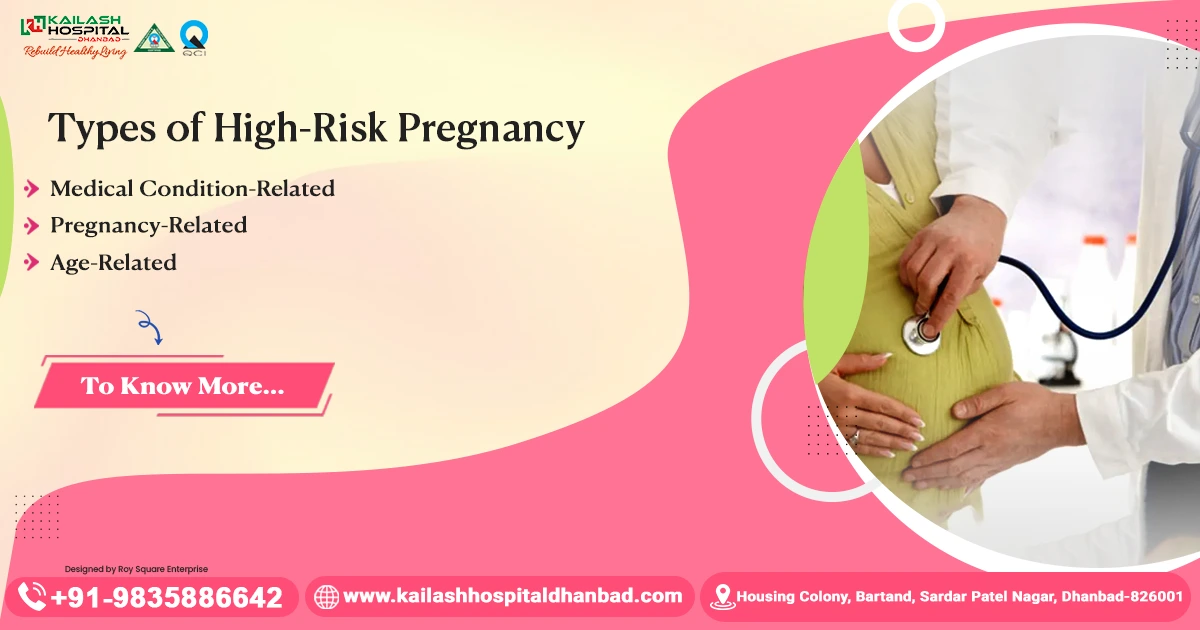
3. Types of High-Risk Pregnancy
High-risk pregnancies can be grouped into different categories:
a) Medical Condition-Related
Diabetes (gestational or pre-existing)
Hypertension or heart disease
Thyroid disorders
Kidney or autoimmune diseases
b) Pregnancy-Related
Preeclampsia
Placenta previa
Preterm labour
Multiple pregnancy (twins or more)
c) Age-Related
Teenage pregnancy
Pregnancy after 35 years
Each type requires a tailored care plan, which is carefully designed by specialist Dr. Neha Bajaj at Kailash Hospital, Dhanbad.
4. Causes of High-Risk Pregnancy
A pregnancy may be classified as high-risk due to certain medical, lifestyle, or pregnancy-related conditions.
Chronic medical conditions
Hormonal imbalances
Infections during pregnancy
Poor nutrition
Stress and mental health concerns
Previous complicated pregnancies
Assisted reproductive treatments
Early antenatal care helps identify these causes before complications develop.
5. Risk Factors to Be Aware Of
Certain risk factors increase the chances of a high-risk pregnancy
Obesity or being underweight
Smoking or alcohol consumption
Lack of regular prenatal check-ups
Family history of pregnancy complications
Previous miscarriage or C-section
Sedentary lifestyle
Awareness and early medical guidance can significantly reduce risks.
6. Diagnosis and Monitoring
Diagnosis involves a detailed evaluation and regular monitoring throughout pregnancy:
Detailed medical and pregnancy history
Blood and urine tests
Blood pressure and blood sugar monitoring
Ultrasound scans to track fetal growth
Fetal heart rate monitoring
At Kailash Hospital, high-risk pregnancies are monitored closely to ensure both mother and baby remain safe at every stage.
7. Treatment Options
Treatment depends on the specific risk involved and may include:
Medications to manage blood pressure, sugar, or hormones
Nutritional counselling and supplements
Lifestyle modifications
More frequent antenatal visits
Hospital observation when needed
Planned delivery for safety
Under the experienced care of Dr. Neha Bajaj, treatment plans are personalised, practical, and focused on positive outcomes.
8. Precautions for a Safer Pregnancy
Simple precautions can make a big difference:
Follow medical advice strictly
Take prescribed medicines on time
Eat a balanced, nutritious diet
Avoid smoking, alcohol, and stress
Get adequate rest and sleep
Attend all scheduled check-ups
Emotional well-being is equally important — staying calm and informed helps both mother and baby.
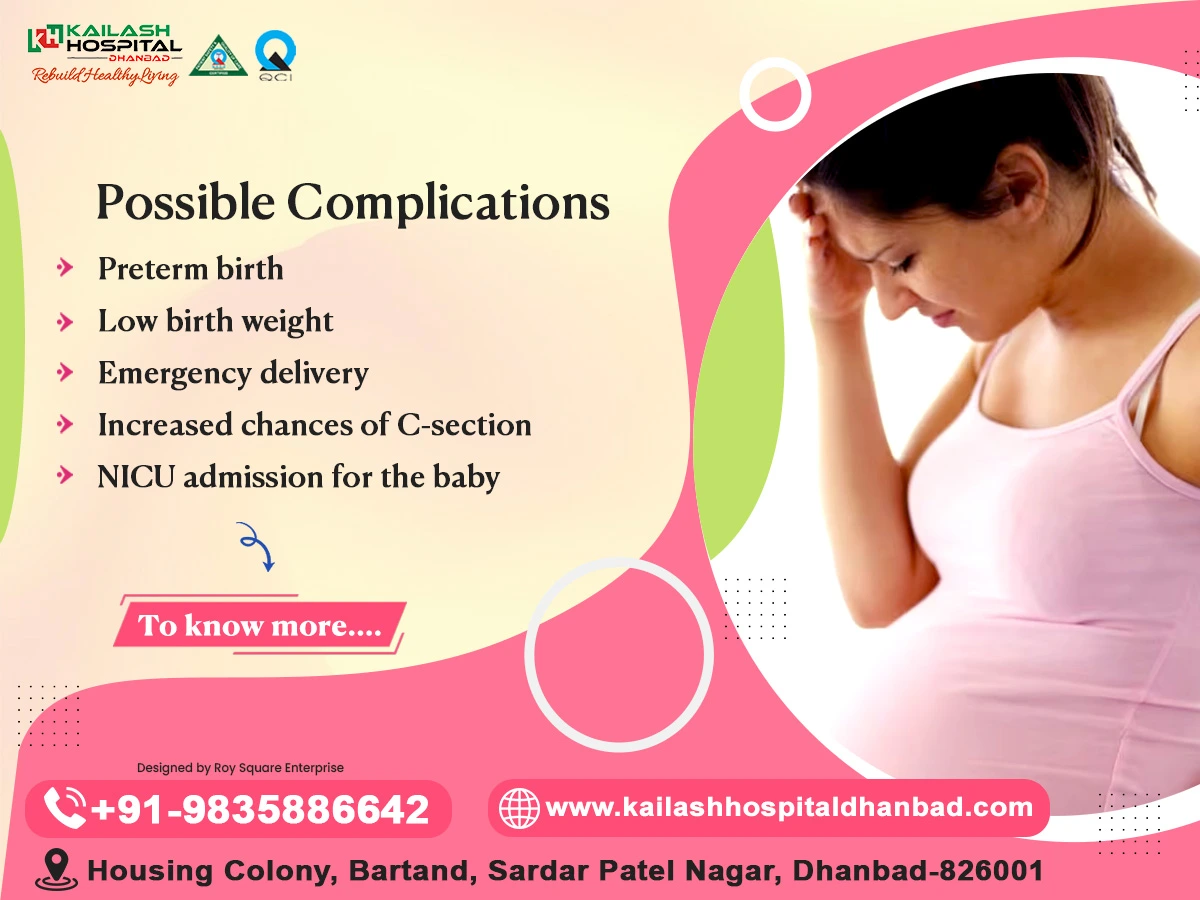
9. Possible Complications
When not managed properly, high-risk pregnancies may lead to:
Low birth weight
Emergency delivery
Increased chances of C-section
NICU admission for the baby
With timely care and expert monitoring, most complications can be prevented or managed successfully.
Does high-risk pregnancy mean I cannot have a normal delivery?
No, many women still deliver normally.
Can a high-risk pregnancy become low-risk later?
Yes, with proper management.
Is bed rest always required?
Only in selected cases.
Can I work during a high-risk pregnancy?
Depends on your condition and doctor’s advice.
Is stress harmful during pregnancy?
Yes, managing stress is very important.
Will my baby be healthy?
Most babies are born healthy with proper care.
How often are check-ups needed?
Usually more frequent than normal pregnancy.
Can diet really help?
Absolutely, nutrition plays a key role.
Is C-section mandatory in high-risk cases?
Not always.
11. Why Choose Kailash Hospital, Dhanbad
Kailash Hospital is trusted for high-risk pregnancy care because of
Expert care by Dr. Neha Bajaj, Consultant Gynaecologist, Obstetrician & Fertility Specialist
Advanced diagnostic and monitoring facilities
Personalised pregnancy care plans
Compassionate and ethical medical approach
Emergency maternity support
Focus on mother and baby safety
The hospital believes in care with confidence and compassion.
Conclusion
A high-risk pregnancy may need extra attention, but it should never take away your joy or hope. With the right medical guidance, lifestyle precautions, and emotional support, a healthy pregnancy and safe delivery are very much achievable.
At Kailash Hospital, Dhanbad, women receive expert, respectful, and empowering care under Dr. Neha Bajaj, ensuring that every mother feels supported at every step of her journey.
Remember — being informed is being empowered, and you are never alone on this path.